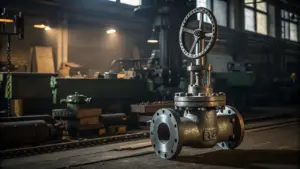

Ductile iron valves are essential components in water distribution, wastewater treatment, and industrial processes. These valves control the flow of fluids, ensuring efficient and safe operation of various systems. Adhering to international standards, such as ISO, ANSI, and EN, is paramount to guarantee the quality, reliability, and performance of ductile iron valves. These standards specify the material properties, dimensions, testing procedures, and performance requirements that valves must meet.
Compliance with these standards ensures that ductile iron valves can withstand the pressures, temperatures, and corrosive environments they are designed for. It also guarantees interchangeability, allowing for easy replacement and maintenance. Furthermore, adherence to standards promotes safety by minimizing the risk of valve failures, which can lead to costly downtime, environmental damage, and even injuries. Manufacturers who prioritize compliance with international standards demonstrate their commitment to quality and customer satisfaction.
Staying up-to-date with the latest revisions of these standards is crucial for engineers, contractors, and operators. Regular updates reflect advancements in materials science, manufacturing techniques, and performance requirements. By understanding and implementing these standards, stakeholders can ensure the long-term reliability and safety of their ductile iron valve systems, contributing to the overall efficiency and sustainability of their operations.