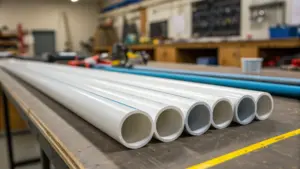
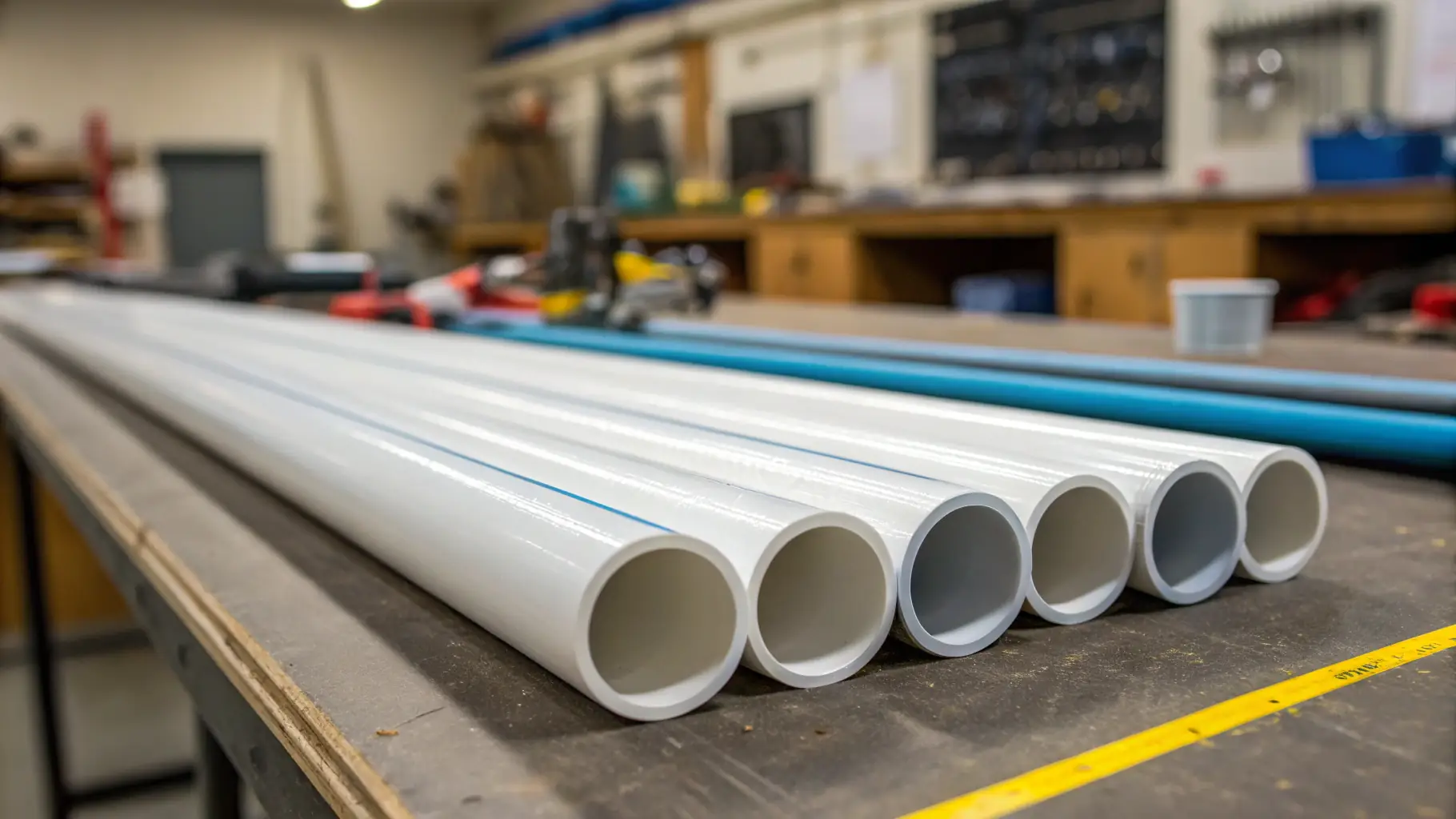
Polymer pipelines are widely used for transporting water, gas, and other fluids due to their corrosion resistance, flexibility, and ease of installation. However, the long-term performance and reliability of these pipelines depend heavily on the quality of the raw materials and the manufacturing processes used. Rigorous testing is essential to ensure that the polymers meet the required specifications and can withstand the demanding conditions of pipeline operation. These tests evaluate various properties, including tensile strength, impact resistance, chemical resistance, and thermal stability.
Testing of raw materials involves verifying the purity, composition, and molecular weight distribution of the polymers. This ensures that the materials meet the required standards and are free from contaminants that could compromise their performance. Finished product testing includes subjecting the pipelines to various stress tests, such as hydrostatic pressure testing, burst testing, and fatigue testing. These tests simulate the conditions that the pipelines will encounter in service and identify any potential weaknesses or defects.
The results of these tests provide valuable data for optimizing the manufacturing process and ensuring that the pipelines meet the required performance criteria. Regular testing and quality control measures are crucial for preventing pipeline failures, minimizing downtime, and protecting the environment. By investing in rigorous testing, pipeline operators can ensure the long-term integrity and reliability of their polymer pipeline systems.