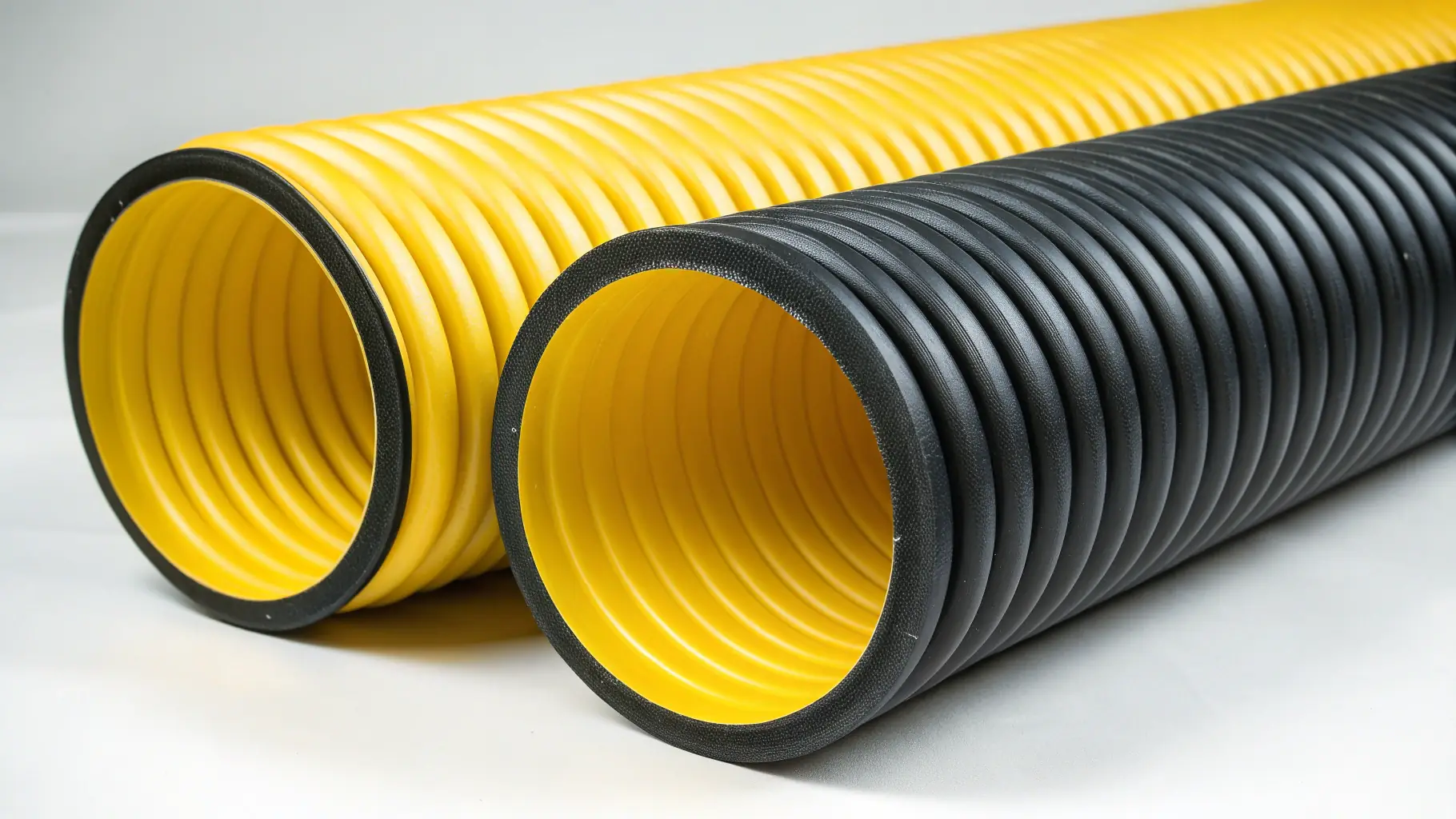
Corrugated pipes have revolutionized various industries, offering durable and flexible solutions for drainage, sewage, and cable management. Recent advancements in materials science have led to the development of high-density polyethylene (HDPE) and polypropylene (PP) corrugated pipes, boasting enhanced strength, chemical resistance, and UV protection. These improvements extend the lifespan of the pipes and reduce maintenance requirements, making them a cost-effective choice for long-term infrastructure projects. Furthermore, innovative designs incorporating advanced jointing systems ensure leak-proof connections, minimizing environmental risks and maximizing operational efficiency.
The integration of smart technology is also transforming corrugated pipe systems. Embedded sensors can now monitor flow rates, pressure levels, and structural integrity, providing real-time data for proactive maintenance and preventing potential failures. This data-driven approach enables operators to optimize performance, reduce downtime, and extend the lifespan of their pipe networks. Additionally, the use of recycled materials in the manufacturing process is gaining traction, promoting sustainability and reducing the environmental footprint of corrugated pipe production.
Looking ahead, the future of corrugated pipe technology promises even more exciting developments. Research is underway to develop self-healing polymers that can automatically repair minor damages, further extending the lifespan of the pipes. Nanomaterials are also being explored to enhance the strength and durability of corrugated pipes while reducing their weight. These innovations will undoubtedly shape the future of infrastructure development, providing more efficient, sustainable, and resilient solutions for a wide range of applications.