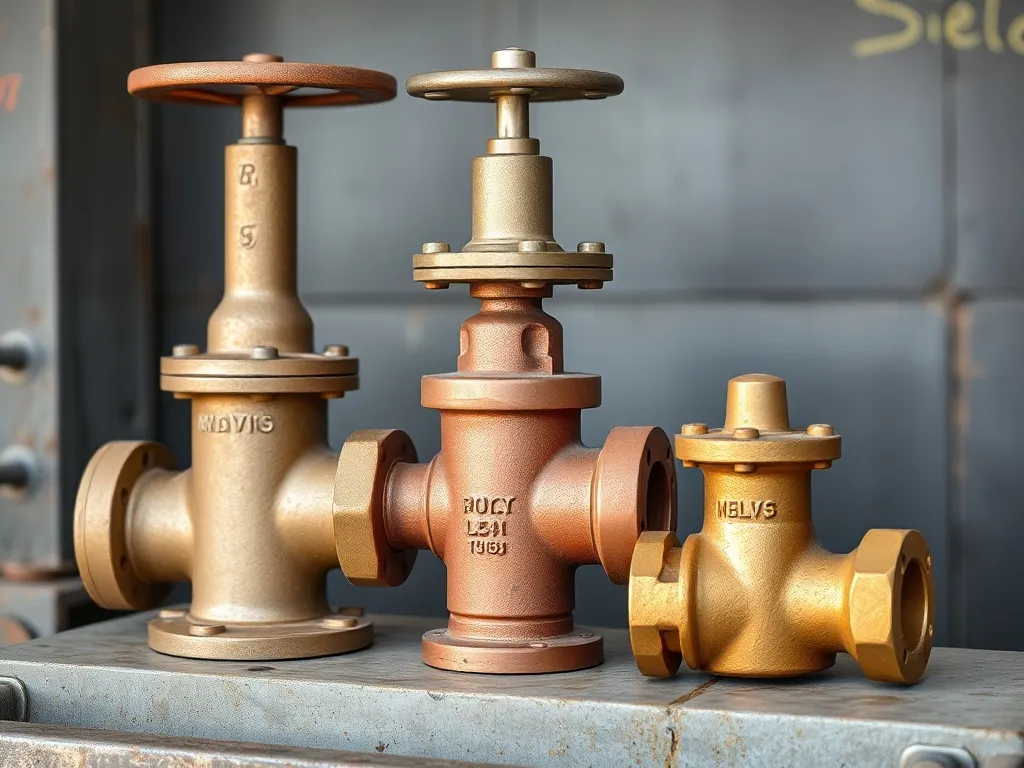
Steel Valves for Natural Gas Transmission & Distribution Systems
Table of Contents
Introduction to Steel Valves in Natural Gas Systems
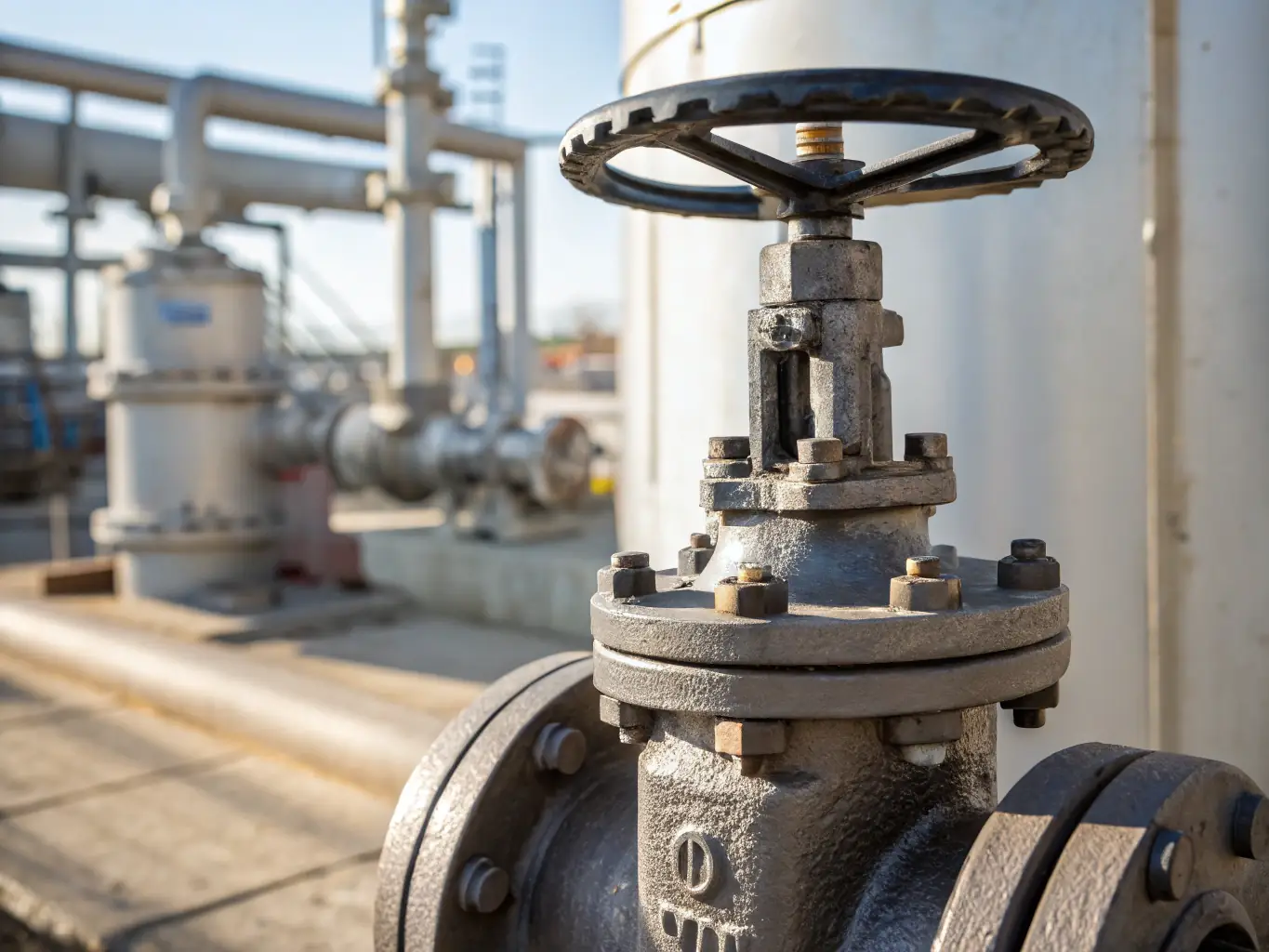
Steel valves are used in medium- and high-pressure natural gas pipelines due to:
High mechanical strength
Excellent pressure containment
Superior resistance to temperature fluctuations
Fire-safe design capabilities
Compatibility with steel pipeline standards (API 5L)
Polyethylene (PE100) is widely used for low- and medium-pressure distribution systems,
but steel valves are essential in sections where:
The operating pressure exceeds 10 bar
Fire-safe certification is mandatory
Fugitive emission control is required
City Gate Stations (CGS) and pressure-reduction facilities are present
Steel valves are therefore critical components in transmission-class pipelines, gas regulator and metering stations, compressor stations, and industrial gas distribution manifolds.
Valve Types Used in Natural Gas Industry
Applications in Natural Gas Industry
Electrofusion vs Injection-Molded Fittings — Technical Comparison
| Parameter | Electrofusion Fittings | Injection-Molded Fittings |
|---|---|---|
| Installation | Simplified, ideal for confined spaces | Requires butt-fusion machine |
| Pressure Rating | Excellent (PN16–PN25) | Very good (PN10–PN16) |
| Leak-proof Performance | Highest | Very high |
| Cost | Higher | More economical |
| Best Use | Critical water lines & repairs | Distribution systems & irrigation |
Valve Design Standards
API 6D – Pipeline Valves
Covers:
Ball, gate, plug & check valves
Pressure testing
Fire-safe requirements
Bore design
Pigging compatibility
API 607 / ISO 10497 – Fire-Safe Tests
Ensures valve sealing after fire exposure.
ASME B16.34 – Pressure/Temperature Ratings
Defines:
Class 150 / 300 / 600 / 900 / 1500 / 2500
EN 1983 / EN 12266
European testing & design requirements.
ISO 15848 – Fugitive Emission Control
Critical for reducing greenhouse gas leakage.
ISIRI 3664 / 8620
Iranian national standards for steel valves.
Materials & Metallurgy
| Category | Details / Grades / Notes |
|---|---|
Carbon Steel (Common Grades) | – ASTM A105 (forged) – ASTM A216 WCB (cast) – Compatible with API 5L steel pipelines |
| Alloy Steels (High-Temperature Service) | – ASTM A217 WC6 – ASTM A217 WC9 |
| Stainless Steel (Corrosion-Resistant Applications) | Used when: – Severe corrosion risk – Gas contains contaminants or moisture Common grades: 304 / 316 / Duplex |
| Body & Trim Materials | Trim Options: – 13Cr stainless trim – Inconel overlays (corrosion/erosion resistance) – Stellite hard-facing (high wear resistance) |
| Fire-Safe Construction Requirements | Valves must include: – Secondary metal-to-metal seat – Fire-safe stem packing – Fire testing per API 607 or ISO 10497 |
Pressure Classes, Dimensions & End Connections
Pressure Classes
Class 150 (low/medium pressure)
Class 300 / 600 (standard gas distribution & CGS)
Class 900 / 1500 / 2500 (transmission pipelines)
End Connections
Flanged (ASME B16.5)
Butt-weld (BW) — required for transmission pipelines
Socket weld (small-diameter control valves)
Bore
Full bore for piggable systems
Reduced bore for non-piggable stations
Quality Control & Testing
Factory Tests
Hydrostatic shell test
Hydrostatic seat test
Fire-safe test
Fugitive emission test
Radiographic testing of welds
Coating adhesion test
Field Tests
Gas tightness test
Actuator stroke test
Pressure locking check
Pipeline commissioning test
Installation, Operation & Commissioning
Installation
Pre-weld inspection
Stress analysis for welded pipelines
Preheating for high-carbon steel
Operation
Low-operating torque
Regular lubrication for certain designs
Commissioning
Pressure testing per API 6D:
Shell test
Seat leakage test
High-pressure gas test (where applicable)
Failure Modes & Risk Analysis
Potential Failures
Seat wear
Corrosion (internal/external)
Packing failure → fugitive emissions
Weld cracking (if improperly welded)
Fire-related sealing failure
Preventive Measures
Use corrosion-resistant trims
Fire-safe construction
Scheduled maintenance
Enhanced coatings (FBE, epoxy, Inconel overlays)
FAQs
To allow pipeline pigging for internal cleaning, inspection, and smart pig surveys.
WCB is cast steel (A216), suitable for large valves.
A105 is forged steel, used for smaller, high-strength valves.
Because gas leaks can ignite; fire-safe valves ensure sealing even after high-temperature exposure.
It defines fugitive emission limits, reducing methane leakage—a major environmental safety requirement.
In high-temperature, abrasive, or high-cycle gas applications where soft seats degrade quickly.
Related Water Products
Iron and Steel Valves
Polyethylene Fittings
Cast Iron and Steel Fittings