Single-Wall HDPE Pipes (PE80 & PE100) for Potable Water Transmission Systems
Table of Contents
Introduction
Single-wall High-Density Polyethylene (HDPE) pipes in PE80 and PE100 grades are the core material used in potable water transmission, municipal water distribution, agricultural irrigation, and long-distance rural water supply systems. Their combination of long service life, exceptional hydrostatic strength, flexibility, corrosion resistance, and excellent hydraulic performance makes HDPE pipes the preferred choice for engineers working in the water industry.
This page provides a complete technical reference for PE80 and PE100 single-wall pipes specifically for water applications, including standards, SDR/pressure ratings, installation guidelines, and downloadable
What Are PE80 and PE100 HDPE Pipes?
PE80
A medium-strength HDPE grade designed for moderate pressure applications.
Commonly used for:
Agricultural irrigation
Secondary water distribution lines
Low-to-medium pressure potable water systems
PE100
The enhanced next-generation HDPE grade with:
Higher Minimum Required Strength (MRS = 10 MPa)
Higher long-term hydrostatic resistance
Higher crack resistance (ESCR)
Reduced wall thickness for the same pressure rating
Longer expected service life (50–100 years)
Because of its superior mechanical profile, PE100 is now the global standard for water transmission mains.
Applications In The Water Industry
PE80 vs. PE100 — Technical Comparison for Water Applications
| Parameter | PE80 | PE100 |
|---|---|---|
| Minimum Required Strength (MRS) | 8 MPa | 10 MPa |
Long-term hydrostatic strength | High | Very High |
| Wall thickness at same PN | Thicker | Thinner |
| Weight | Heavier | Lighter |
| Hydraulic efficiency | Good | Superior |
| ESCR | Moderate | Excellent |
| Service life | 50 years | 50–100 years |
| Best use | Secondary networks | Primary mains, long-distance and pressure lines |
International Standards for HDPE Water Pipes
HDPE water pipes must comply with strict international standards to ensure safety, durability, and potability. Below is a detailed engineering explanation of each standard.
ISO 4427 — HDPE Pipes for Potable Water
- What ISO 4427 covers:
- Dimensions, tolerances, and wall thickness
Physical and mechanical requirements Pressure class PN requirements
Testing methods including:
Hydrostatic pressure tests
Long-term creep resistance
Oxidation Induction Time (OIT)
Melt Flow Index (MFI)
Tensile strength tests
- Water-related requirement:
ISO 4427 only approves materials that meet potable water health regulations, including extractables
EN 12201 — European Standard for PE Water Systems
Key details:
Pipe mechanical performance for pressure lines
Lifetime classification under 20°C and 40°C
Peel strength for electrofusion fittings
Material qualification tests (PE80/PE100/PE100-RC)
EN 12201 is widely used in the Middle East and Europe for water quality and structural safety.
AWWA C906 — American Standard for Large-Diameter HDPE Water Pipes
Covers potable water pipes from 4 inch to 65 inch diameter.
Technical focus:
Chlorine/chloramine resistance
Surge pressure allowances
Fatigue resistance
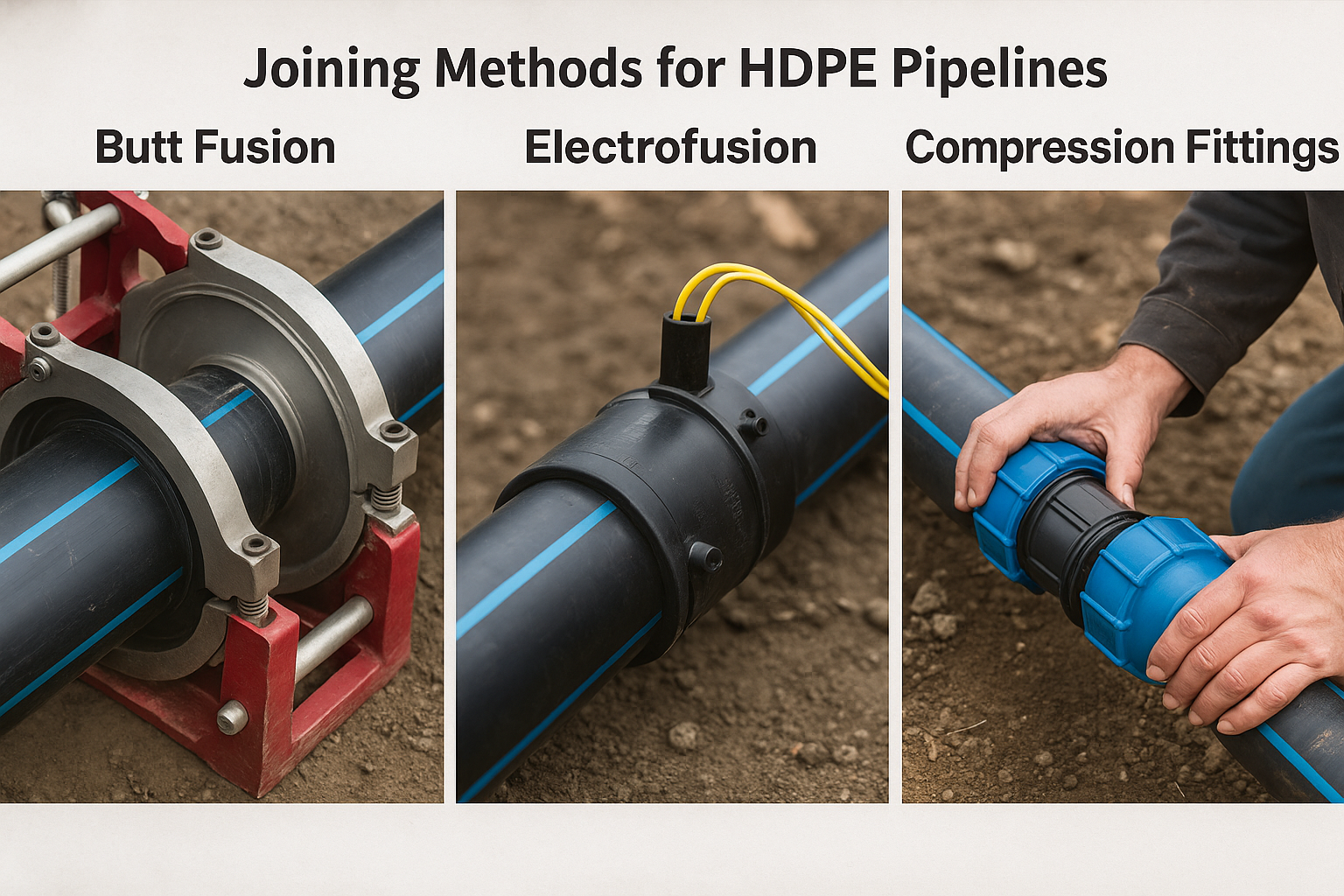
Requirements for butt fusion and electrofusion joints
Highly recommended for large-diameter water transmission pipelines.
INSO 14427 — National Iranian Standard
Covers:
Dimensional tolerances
Minimum OIT values
Hydrostatic testing at 20°C & 80°C
Material qualification for PE80/PE100
Used by all major water authorities in Iran.
Technical Properties of PE80 & PE100
Material Physical Properties
Property | Typical Range |
|---|---|
Density | 0.945–0.965 g/cm³ |
Melt Flow Index | 0.2–0.4 g/10 min |
Tensile Strength at Yield | 19–32 MPa |
Elongation at Break | >350% |
ESCR | Excellent (PE100 > PE80) |
Thermal Conductivity | 0.4–0.45 W/m·K |
| Oxidation Induction Time (OIT) | > 20 minutes (per ISO 11357) |
Performance Properties for Water Applications
Smooth internal surface (C = 150–160) → extremely low head loss
Corrosion-proof in chlorinated or mineral-rich water
High surge pressure absorption due to elasticity
Excellent seismic performance due to ductility
Resistant to UV when carbon black is added (commonly 2–2.5%)
Hydrostatic Strength Testing (ISO 1167)
The pipe must pass:
80°C @ 5h
80°C @ 165h
20°C @ 100h
With no failures or deformations.
Crack Resistance (ISO 13479 / FNCT)
PE100 is highly resistant to slow crack growth (SCG), making it ideal for long-term water projects.
SDR & Pressure Ratings for Water Pipelines
| SDR | PN Rating | Water Industry Use |
|---|---|---|
| SDR11 | PN16 | High-pressure mains / pumping |
SDR13.6 | PN12.5 | Municipal distribution |
| SDR17 | PN10 | Most common for potable water |
| SDR21 | PN8 | Low-pressure or gravity-assisted lines |
Joining Methods for Water Pipelines
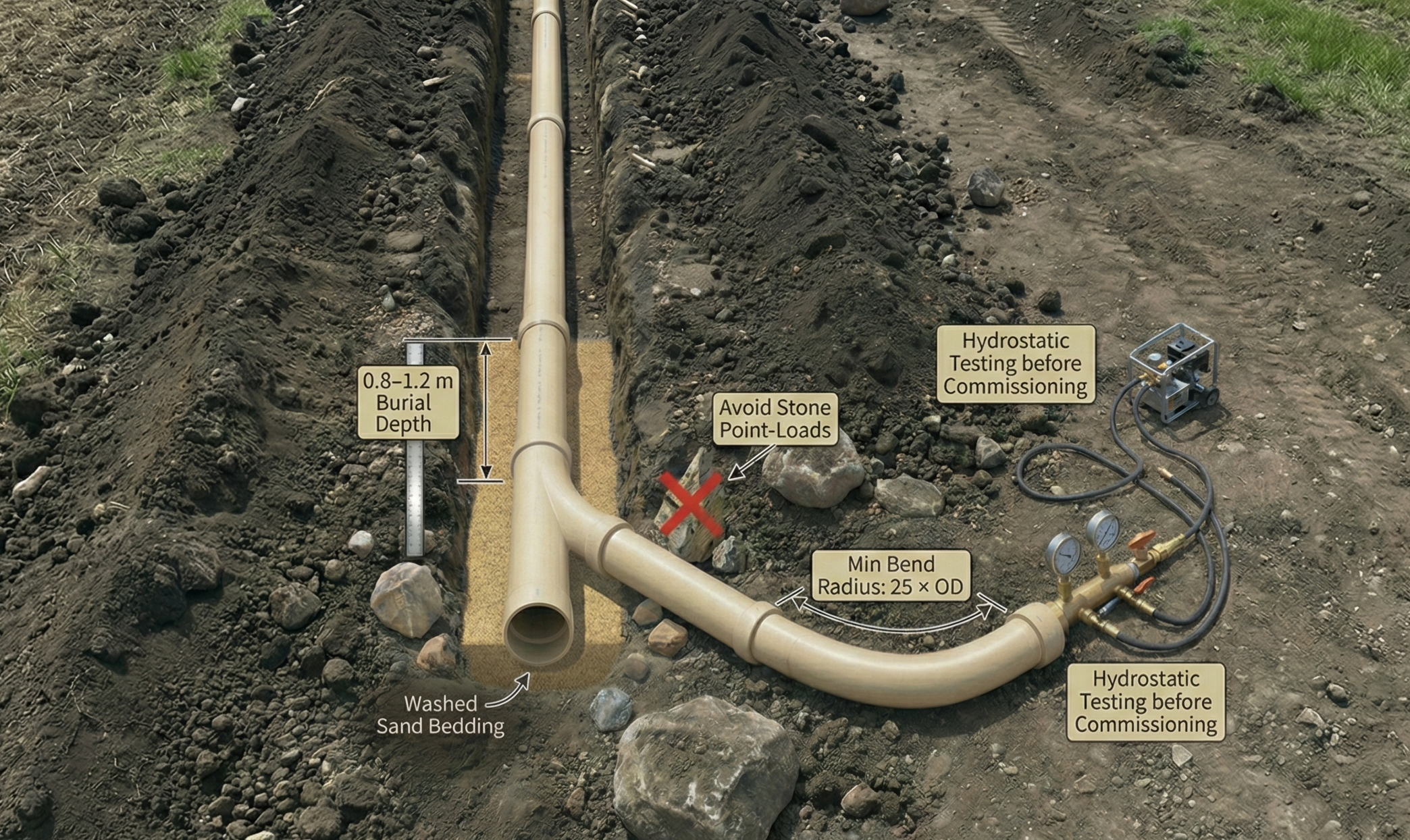
Installation & Design Guidelines
FAQs
Yes, PE100 is certified for potable water under ISO 4427 and EN 12201.
Yes—especially for agricultural irrigation and secondary distribution lines.
We accept payment via credit card (Visa, MasterCard, American Express), PayPal, and bank transfer.
Related Water Products
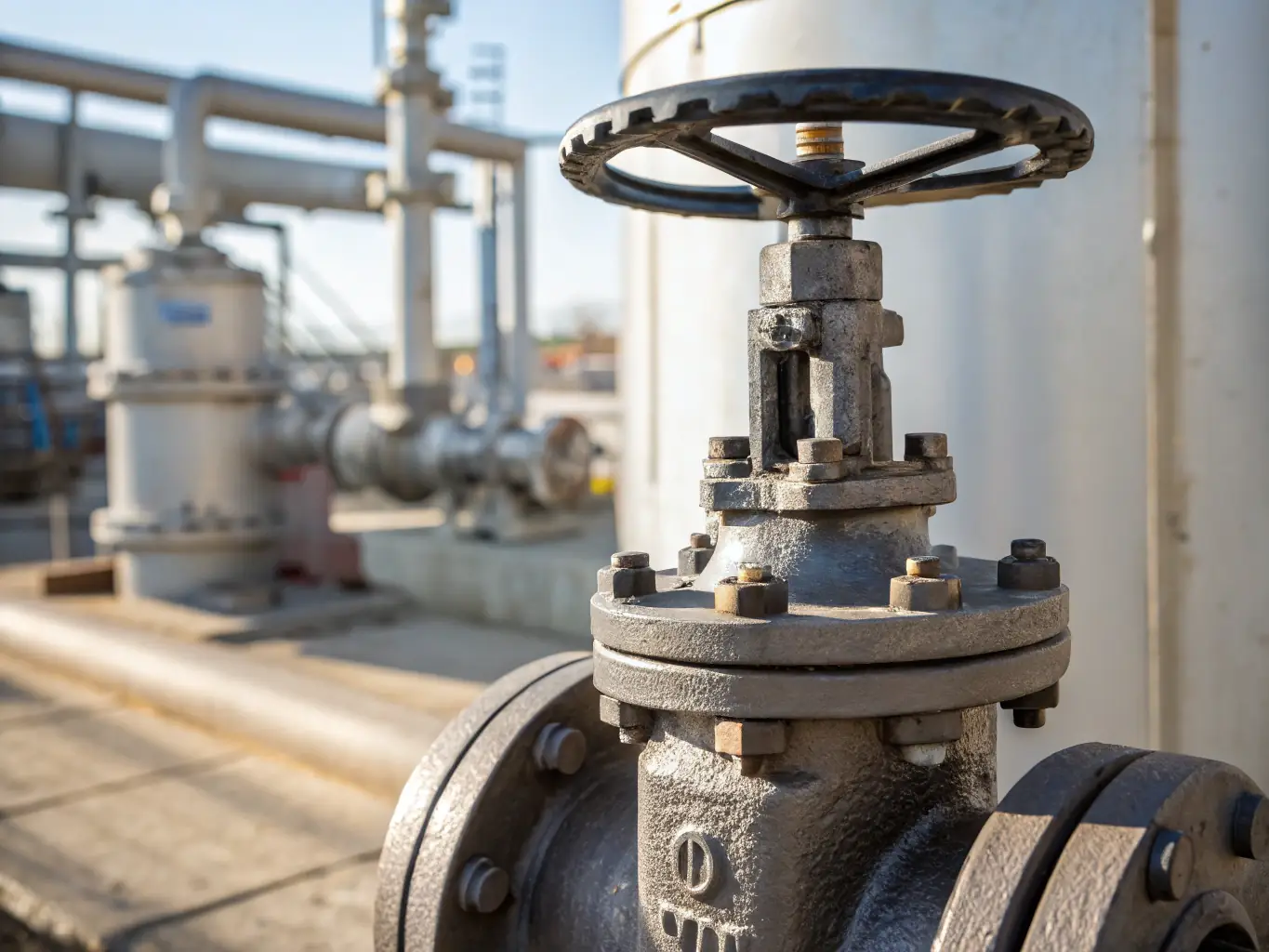
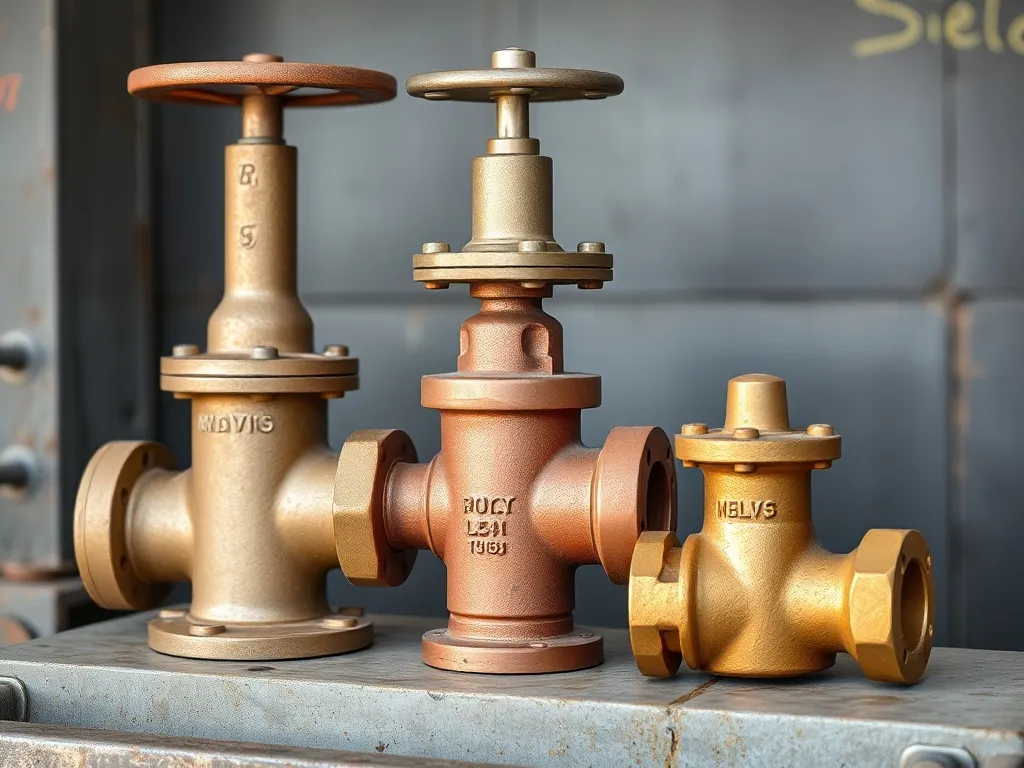
Iron and Steel Valves
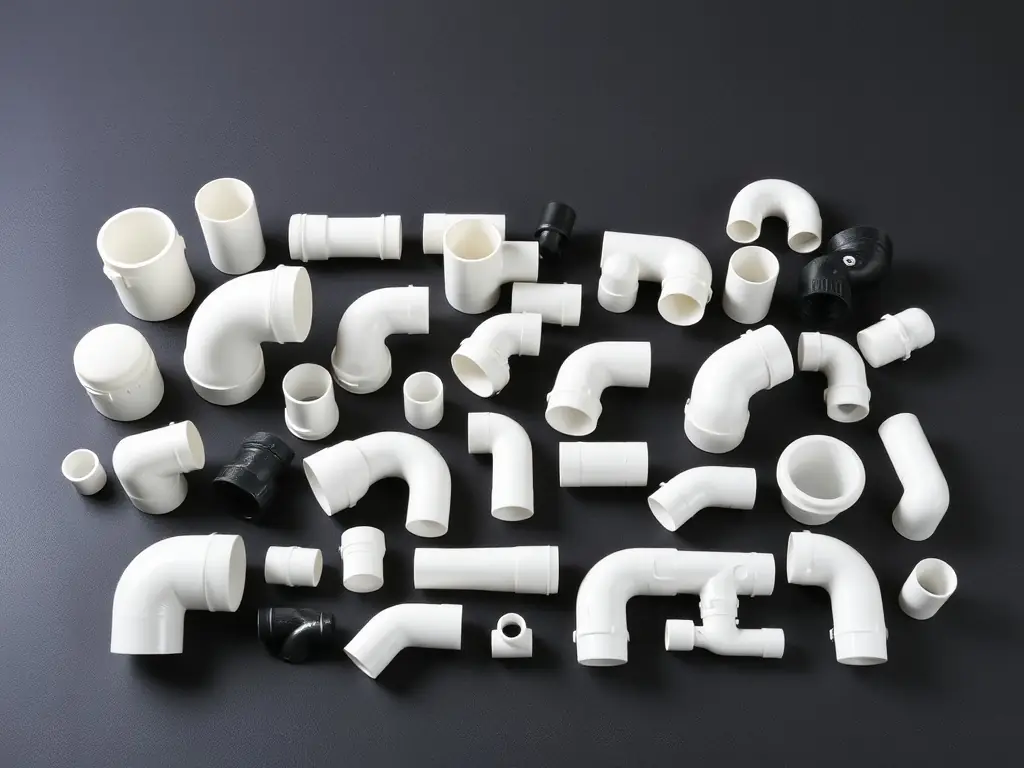
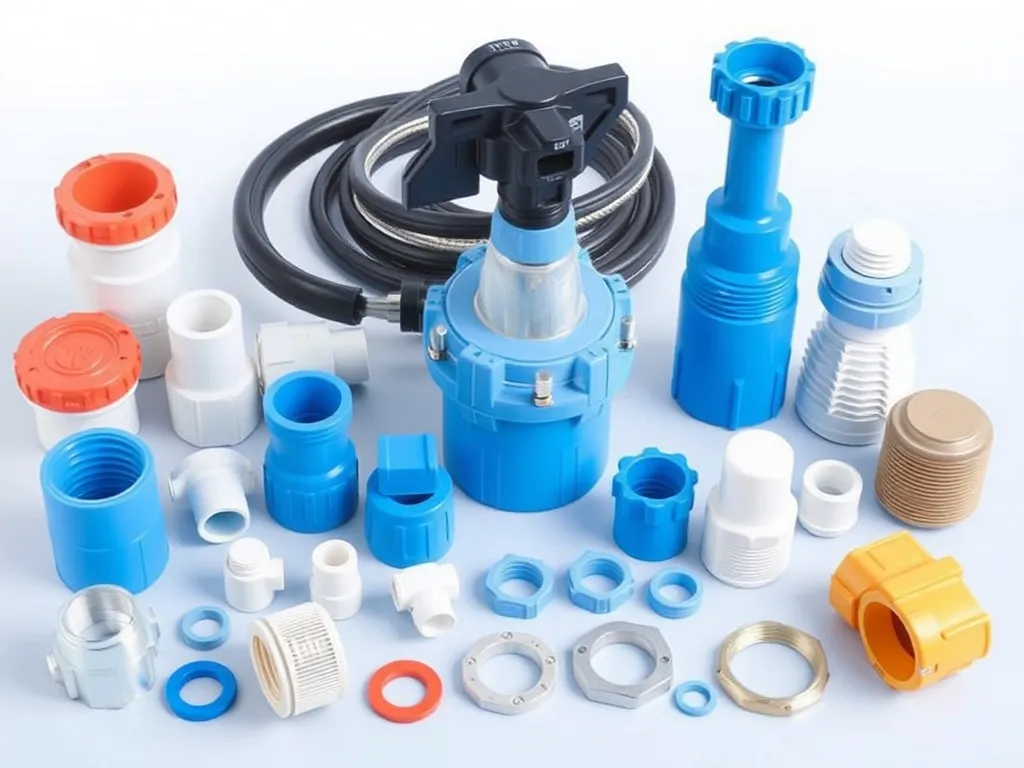
Polyethylene Fittings
Cast Iron and Steel Fittings