Polyethylene Fittings (Electrofusion & Injection-Molded) for Water Industry Applications

Table of Contents

Introduction

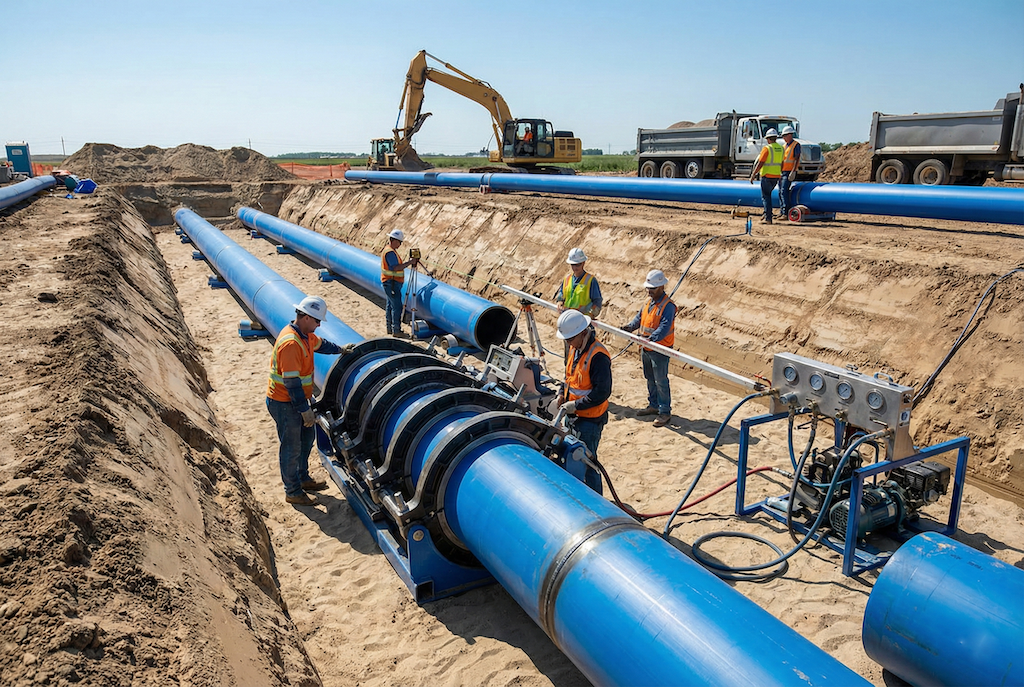
Polyethylene fittings—electrofusion fittings and injection-molded fittings—are critical components in modern HDPE water distribution systems. They provide leak-free, long-term, pressure-rated connections required for potable water transmission, municipal networks, irrigation systems, and rural water infrastructure.
This page offers a complete technical reference specifically tailored to the water industry.

What Are Electrofusion & Injection-Molded Polyethylene Fittings?

Electrofusion Fittings (EF)

Electrofusion fittings contain embedded heating wires that melt the pipe and fitting surface when current is applied, creating a homogeneous joint.

Key Features

  • Ideal for high-pressure potable water lines

  • Excellent for confined spaces and repair work

  • High ESCR, high peel strength

  • Controlled welding parameters through barcode/processor

Common EF fittings:

  • Couplers

  • Elbows (45°/90°)

  • Tees

  • Reducers

  • Tapping saddles

Injection-Molded Fittings

Injection-molded fittings are produced by shaping PE100/PE80 under high pressure, offering strength, dimensional stability, and cost-efficiency.

Key Features:

  • Best for general water distribution systems

  • Compatible with butt-fusion welding

  • Smooth internal bore for hydraulic efficiency

  • High mechanical durability

Common molded fittings:

  • Butt-fusion elbows
  • Tees
  • End caps
  • Reducers
  • Flange adapters

Electrofusion vs Injection-Molded Fittings — Technical Comparison

Parameter

Electrofusion Fittings

Injection-Molded Fittings

Installation

Simplified, ideal for confined spaces

Requires butt-fusion machine

Pressure Rating

Excellent (PN16–PN25)

Very good (PN10–PN16)

Leak-proof Performance

Highest

Very high

Cost

Higher

More economical

Best Use

Critical water lines & repairs

Distribution systems & irrigation

Applications in the Water Industry

Polyethylene fittings are used alongside PE80 and PE100 pipes in nearly every type of water infrastructure. Electrofusion: best for high-pressure, sensitive, or restricted-access projects. Injection-molded: best for economical, general-purpose water distribution. Typical Applications
Potable water transmission pipelines
Municipal distribution grids
Rural water schemes
Pumping stations
Agricultural irrigation networks
Water meter and service connections
Network extensions and branch connections
Repair operations and maintenance

Standards for Polyethylene Fittings in Water Systems

ISO 4427-3 — Polyethylene fittings for potable water
  • Specifies dimensional tolerances


  • Hydrostatic strength tests


  • Material qualification for PE80/PE100


  • Defines pressure classes (PN) for water use
    • Part 3: Molded fittings

    • Part 4: Electrofusion fittings

    Includes:

    • Mechanical testing

    • Minimum weld strength

    Performance at elevated temperatures
  • Fusion parameters

  • Jointing validation

  • Barcode identification for welding machines

  • Peel strength and melt uniformity tests

  • Standard fusion cycles

  • High-pressure welding parameters

  • Validation of weld bead quality

  • Digital logging of weld parameters

  • Barcode specifications

Quality-assurance protocols for water utilities

Compatible SDR Classes for Water Networks

  • PE100 SDR11 (PN16)

  • PE100 SDR13.6 (PN12.5)

  • PE100 SDR17 (PN10)

  • PE80 SDR11 / SDR13.6 for irrigation networks

Electrofusion couplers typically designed for SDR11 compatibility.

Technical Properties of Polyethylene Fittings 

Material Physical Properties

Property

Typical Range

Density

0.95–0.97 g/cm³

MFI

0.2–0.4 g/10 min

Tensile Strength

20–30 MPa

Elongation at Break

≥ 350%

ESCR

Excellent

OIT

≥ 20 min

Performance Advantages

  • Resistant to chlorinated and mineralized water

  • Excellent hydraulic performance

  • No corrosion

  • UV protection via carbon black

  • Long-term stability in buried pipelines

Installation Guidelines & Joining Methods

  • Installation Guidelines

    • Clean and scrape pipe surface before EF welding

    • Use alignment clamps

    • Respect cooling times

    • Pressure test at 1.5 × PN

    • Avoid direct sunlight during welding

    • No bending force should act on newly welded joints


      Joining Methods (Water Sector Focused)

      Electrofusion (ISO 13950)

      • Suitable for repairs and restricted spaces

      • Ensures uniform heat distribution

      • Records fusion data for auditing

      Butt Fusion Welding (ISO 21307)

      • Required for injection-molded fittings

      • Strongest possible homogeneous welds

      Compression Joints

      • Applied in small-diameter service lines

FAQs

Specialized Engineering Questions

Cooling time must follow the manufacturer’s specification, typically 20–40 minutes depending on ambient temperature and fitting size. Premature depressurization may cause joint failure.

Yes—provided that SDR compatibility is respected (usually SDR11). The welding parameters remain the same.

  • Visual inspection of melt indicators

  • Measuring bead formation

  • Checking welding-machine logs (ISO 12176)

Pressure testing per ISO 1167

Because they provide extremely high resistance to:

  • Tension & pull-out

  • Slow crack growth

  • Surge pressures

  • Ground movement

Yes—when produced from PE100/PE80 certified for ISO 4427 and EN 12201 potable water applications.

EF and molded fittings with carbon black (2–2.5%) are UV-resistant, but long-term above-ground exposure still requires protective coatings.

50–100 years depending on installation, pressure cycles, and water chemistry.

Get Your Water Solutions Today

Request a quote or download our full catalog to explore premium HDPE pipes for water industry applications.

Related Water Products

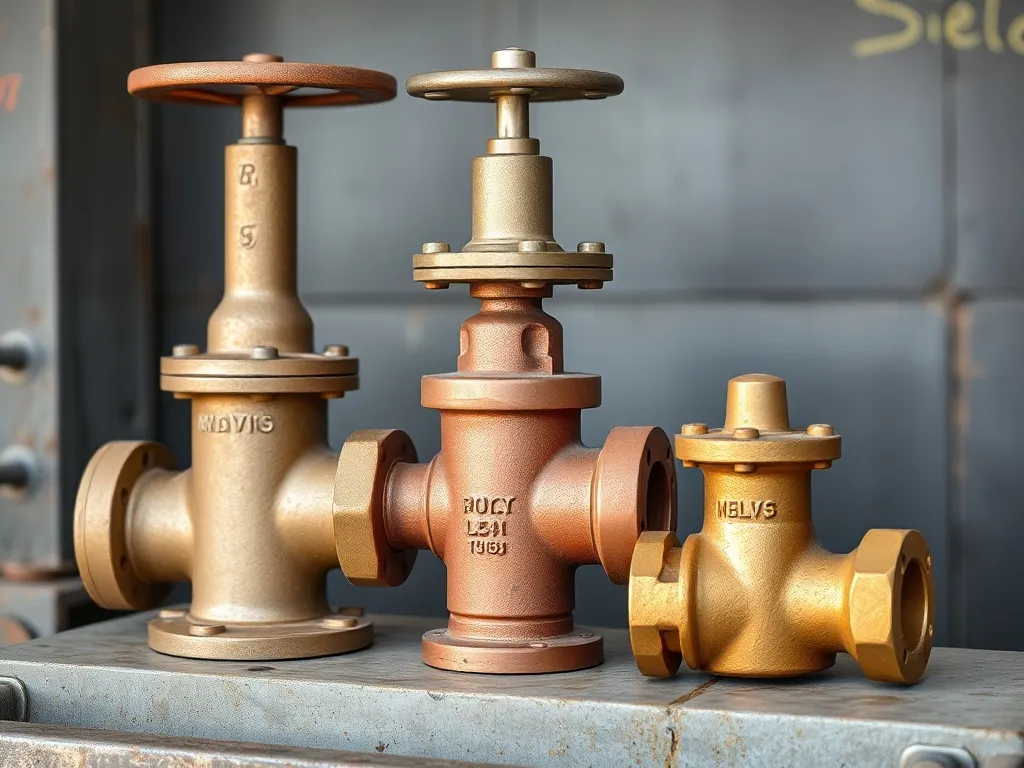
Iron and Steel Valves
used in water control and flow management
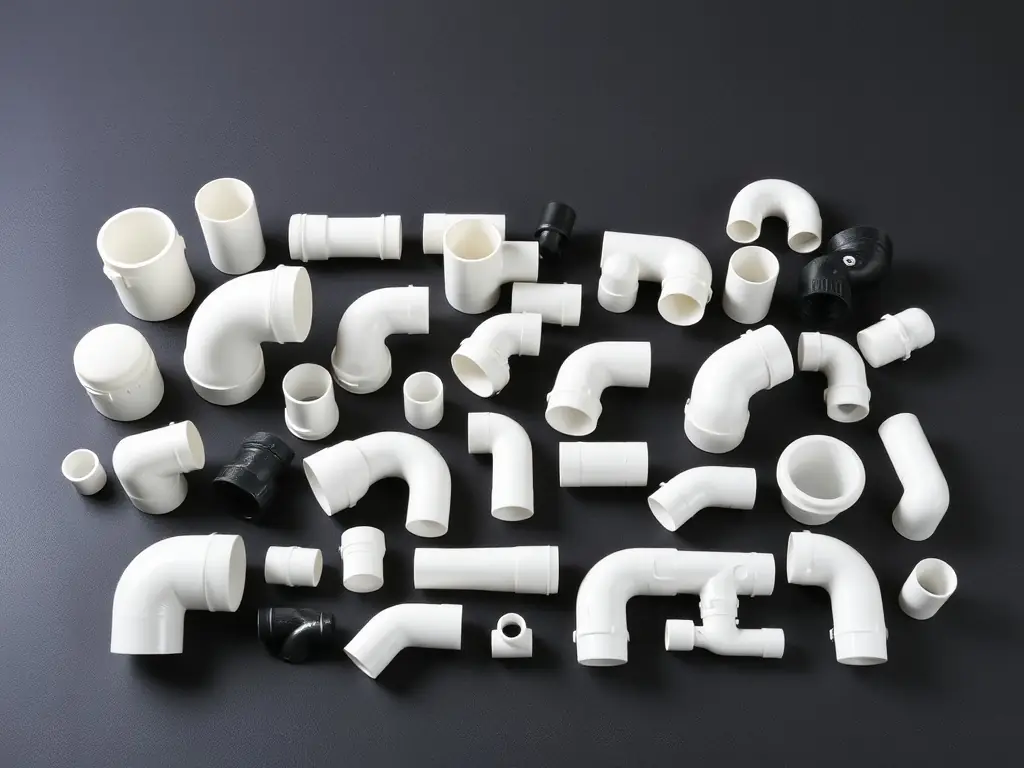
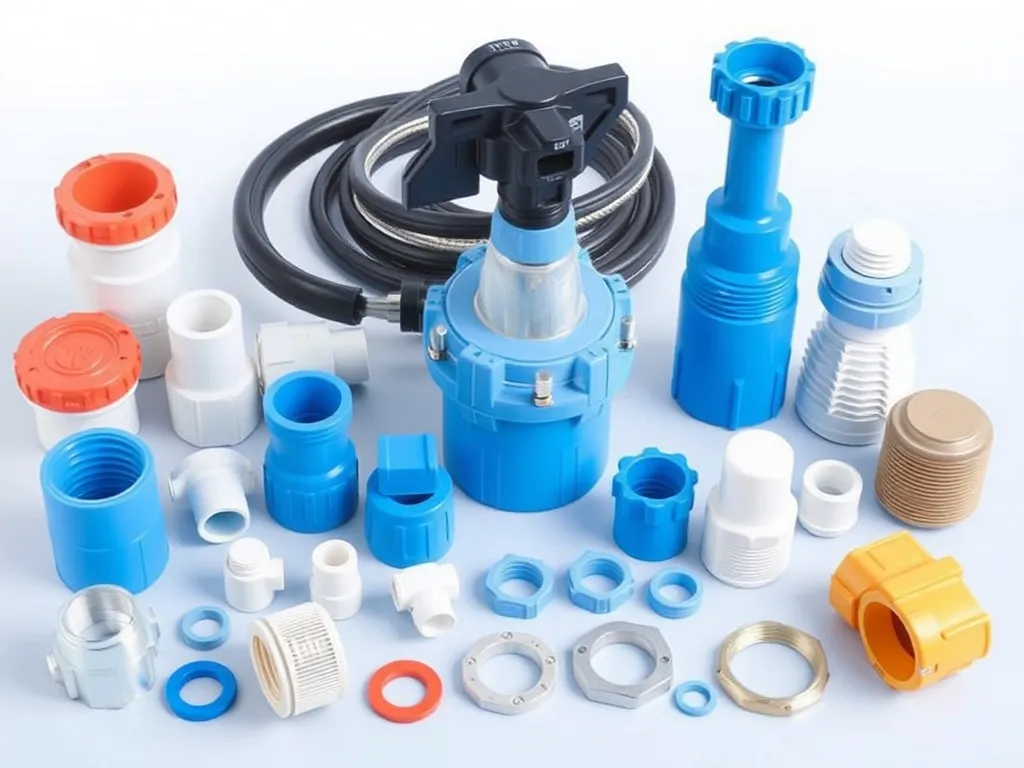
A medium shot of various polyethylene fittings, including electrofusion and injection fittings, laid out on a clean surface, showcasing their precision and quality.
Polyethylene Fittings
We provide a comprehensive selection of electrofusion and injection fittings designed for creating robust and leak-proof water networks. These fittings ensure reliable connections and optimal system performance.
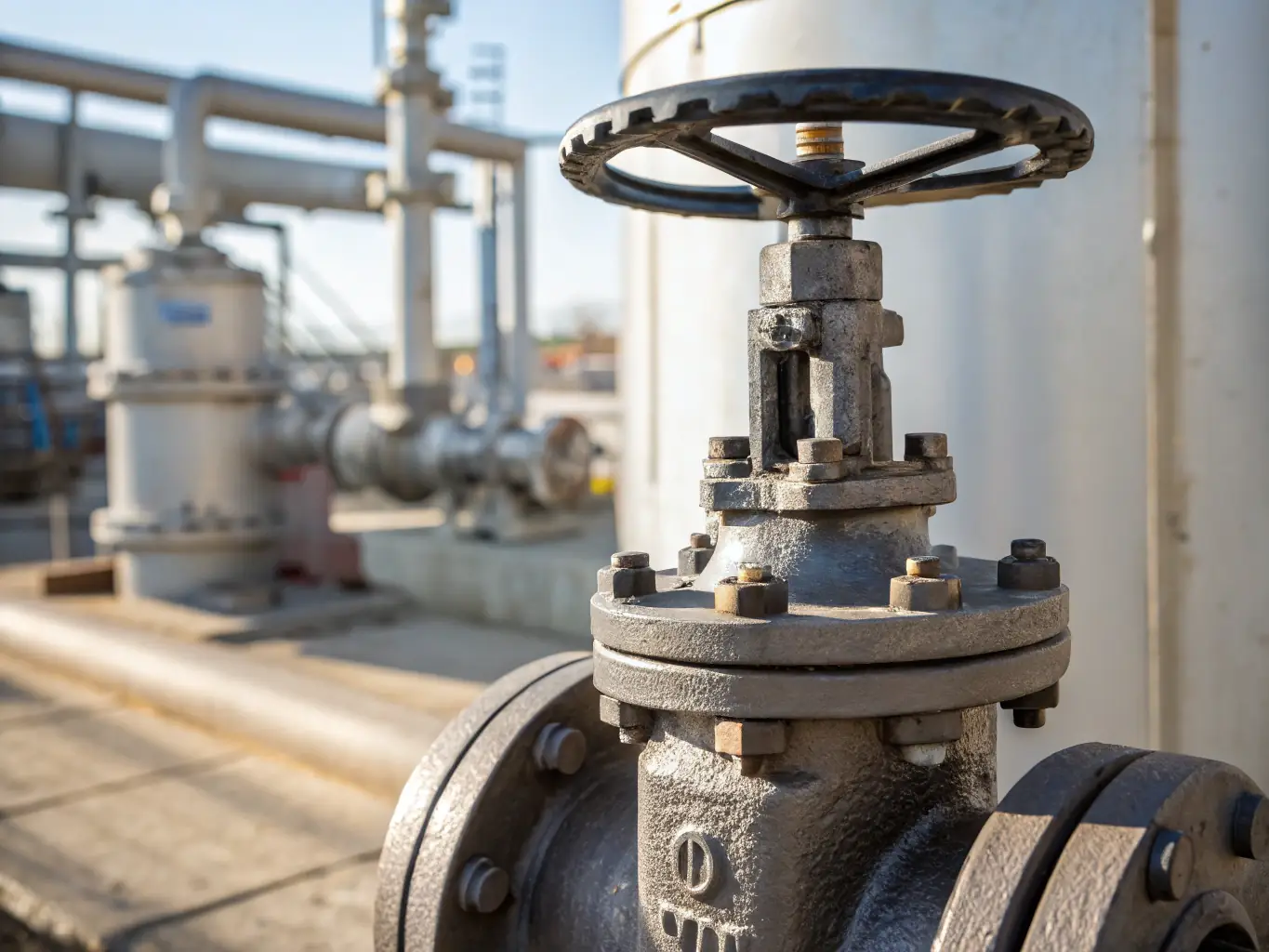
A close-up shot of a blue ductile iron valve, highlighting its sturdy construction and precise engineering, set against a blurred background of a water pipeline installation.
Cast Iron and Steel Fittings
Suitable for water pipelines and distribution networks
Water Connection Kits
complete kits for water service connections