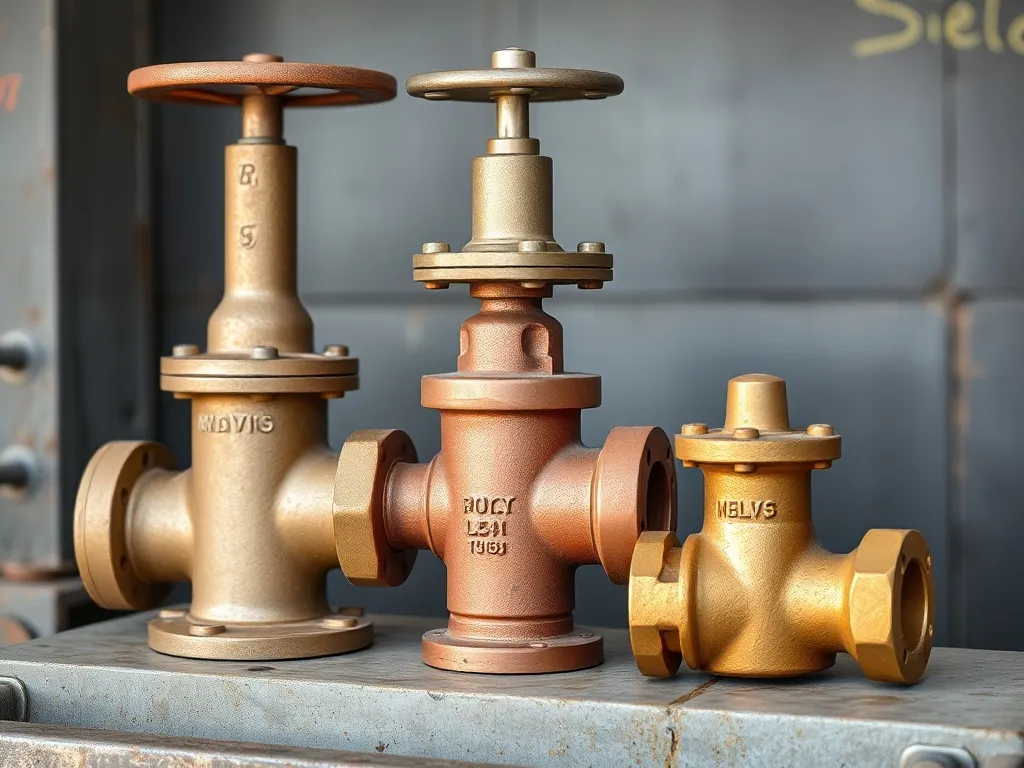
Iron and Steel Valves for Water Industry Applications
Table of Contents
Introduction
Iron and steel valves are critical control components in pressurized water supply systems, responsible for isolation, regulation, and protection of water flow across transmission and distribution networks. In water infrastructure projects, valves are pressure-containing and load-bearing elements whose performance directly affects system safety, operational reliability, and lifecycle cost.
Due to their high mechanical strength, dimensional stability, and suitability for large diameters and elevated pressures, iron and steel valves are widely specified in municipal water networks, pumping stations, treatment facilities, and transmission pipelines where plastic valves are not technically suitable.
Engineering Role of Valves in Water Networks
From an engineering perspective, valves perform multiple essential functions within water systems. They enable sectional isolation for maintenance, regulate flow and pressure, protect pumps and pipelines against reverse flow, and contribute to overall hydraulic stability.
In properly designed water networks, valves must withstand internal pressure, external soil loads, transient pressure surges, and repeated operational cycles without leakage or loss of functionality. Valve selection therefore plays a decisive role in network reliability and long-term performance.
Types of Iron and Steel Valves Used in Water Industry
Comparison of Valve Types
Parameter | Gate Valve | Butterfly Valve | Check Valve |
Primary Function | Isolation | Isolation / Regulation | Backflow prevention |
Head Loss (Open) | Very low | Low | Medium |
Flow Control Capability | No | Yes | No |
Typical Diameter Range | DN50–DN1200 | DN100–DN2000 | DN50–DN1200 |
Installation Space | High | Compact | Medium |
Typical Location | Buried networks | Stations & mains | Pump discharge |
Materials and Construction
Iron and steel valves for water applications are manufactured from materials selected to withstand mechanical loads, pressure, and environmental conditions.
Material Comparison
Material | Typical Use | Characteristics |
Ductile Iron | Distribution & transmission | High strength, impact resistance |
Carbon Steel | High-pressure & stations | Superior mechanical strength |
Stainless Steel (trim) | Internal components | Corrosion and wear resistance |
Internal components such as shafts, discs, and seats are typically made from stainless steel or protected by corrosion-resistant overlays to ensure long-term sealing performance.
Applications in the Water Industry
Standards and Technical Compliance
EN 1074
- Mechanical strength, leak-tightness, endurance, and hygienic suitability of water supply valves
EN 593
- Design and testing requirements for butterfly valves
ISO 8085 / ISO 3459 / ISO 3501
- Material and coating requirements for ductile iron components
ISO 5208
- Pressure and leakage testing of valves
EN 1092
- Flange dimensions and pressure ratings
Pressure Ratings and Design Life
| Parameter | Typical Specification |
|---|---|
| Applicable Pressure Classes | PN10 · PN16 · PN25 · PN40 |
| Basis of Pressure Selection | Operating pressure, surge analysis, installation conditions |
| Reference Design Temperature | 20 °C |
| Pressure Behavior | Suitable for continuous and cyclic internal pressure |
| Resistance to Transient Loads | Designed to withstand hydraulic surges and pressure fluctuations |
| Design Life | ≥ 50 years |
| Performance Over Service Life | Maintains mechanical strength, sealing integrity, and operational reliability |
| Governing Standards | EN 1074 · EN 593 · ISO 5208 |
Advantages in Water Distribution
High mechanical strength suitable for medium- and high-pressure networks
Reliable sealing performance under continuous and cyclic operation
Compatibility with large-diameter transmission and distribution pipelines
Long service life with low maintenance requirements
Proven performance in buried, exposed, and station installations
Compliance with international water supply standards
Installation Principles
- Valves shall be selected according to pipeline pressure class and nominal diameter
- Flanged connections shall comply with EN 1092 and use suitable gaskets
- Valve bodies shall not be subjected to axial or bending loads from pipelines
- Buried valves shall be installed in valve chambers with adequate structural support
- Flow direction and installation orientation shall follow manufacturer instructions
- Pipelines shall be flushed and pressure-tested prior to commissioning
FAQs
Leak-tightness is verified through shell and seat tests in accordance with ISO 5208 prior to installation and during site pressure testing.
Steel valves are typically specified for higher pressure classes, pumping stations, and installations subject to dynamic loads or vibration.
Valve pressure class selection should account for transient pressures identified through surge analysis, not only steady-state operating pressure.
Yes. Valves with approved internal coatings and compliant materials are suitable for potable water and meet hygienic requirements defined in EN 1074.
Design considerations include seat wear, corrosion of internal components, improper installation loads, fatigue due to repeated operation, and inadequate surge protection.
Get Your Water Solutions Today
Related Water Products
Iron and Steel Valves
Polyethylene Fittings
Cast Iron and Steel Fittings