
Electrofusion Polyethylene Fittings for Natural Gas Distribution Industry

Table of Contents

Introduction to Electrofusion Fittings in Natural Gas Networks

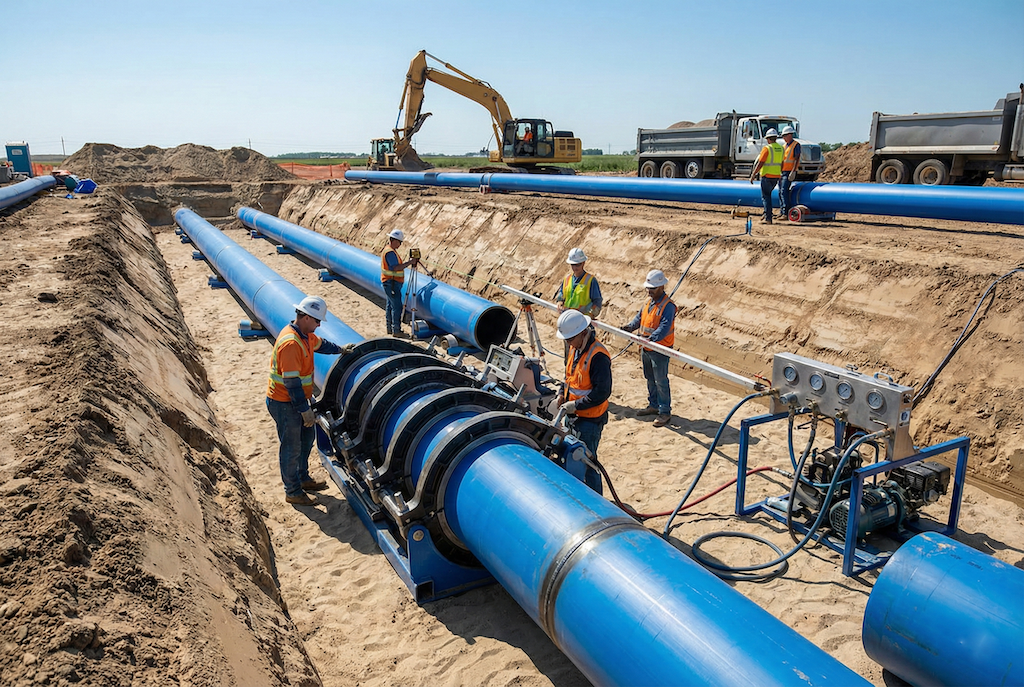
Electrofusion (EF) fittings are the primary joining technology used in polyethylene natural gas distribution systems worldwide.
They create homogeneous, leak-free, permanent joints capable of withstanding:

  • Continuous operational pressure

  • Pressure surges

  • Soil settlement

  • Thermal cycling

  • Long-term internal stress (50+ years)

Unlike butt fusion, electrofusion is suitable for:

  • Small diameters (service lines)

  • Repairs

  • Gas tees

  • Confined spaces

  • Urban gas network tie-ins

For natural gas, reliability of EF joints is critical because:

  • A minor leak may cause explosion

  • Gas is odorized but not detectable in buried lines

  • Joint fatigue failure can occur months after improper installation

Therefore EF fittings must meet strict global standards (ISO 4437-3 / EN 1555-3 / GIS PL2-4).

Gas-Grade PE100 Material Requirements

EF fittings for natural gas are manufactured exclusively from PE100 Gas-Grade Resin, which must exhibit:

Minimum Required Strength (MRS)

  • MRS ≥ 10 MPa (ISO 9080 curve validated)

High SCG (Slow Crack Growth) Resistance

Tested using:

  • Notched Constant Tensile Load Test (NCTL)

  • Full Notch Creep Test (FNCT)

  • ISO 13479

High ESCR (Environmental Stress Crack Resistance)

Thermal & Oxidative Stability

  • Oxidation Induction Time (OIT) ≥ 20 minutes

  • Stabilized with antioxidants

Carbon Black Stabilization

  • 2–2.5% evenly dispersed

  • Protects from UV degradation

  • Ensures consistent fusion properties

Melt Flow Rate Compatibility

MFR of fitting must match MFR of pipe for optimal diffusion welding.

Types of Electrofusion Fittings for Natural Gas

EF Couplers
Pipe-to-pipe straight joints Standard or reinforced
EF Branch Tees
Service tees Equal tees Reducing tees
EF Elbows
45° and 90° Used in confined urban installations
EF Reducers
SDR11-to-SDR11 reducing joints
EF End Caps
For safe termination.
PE–Steel Transition Fittings
A must for: Entering buildings Connecting to steel valves High-pressure transitions
Previous
Next

Applications of Electrofusion Fittings in Natural Gas Industry

Urban & Suburban Gas Distribution Networks
SDR11 PE100 mains up to 10 bar Service lines branching to houses High-density districts with frequent connections
Industrial Gas Supply Networks
Industrial burners Internal factory gas distribution
Gas Service Connection Lines
EF fittings are mandatory for: Service tees Couplers Service elbows
Gas Pipeline Rehabilitation
Anti-surge loops Isolation valves Flow control valves
High-Risk Environments
EF is used where: Butt fusion is not possible Mechanical fittings are prohibited High structural integrity is needed Because EF joints are homogeneous, they act as a single piece of pipe.

Electrofusion vs Injection-Molded Fittings — Technical Comparison

Parameter

Electrofusion FittingsInjection-Molded Fittings
Installation

Simplified, ideal for confined spacesRequires butt-fusion machine
Pressure Rating

Excellent (PN16–PN25)Very good (PN10–PN16)
Leak-proof Performance

HighestVery high
CostHigherMore economical
Best UseCritical water lines & repairsDistribution systems & irrigation

International Standards & Specifications

ISO 4437-3 (Electrofusion Fittings for Gas Supply)
  • Covers:

    • Material specification

    • Fusion compatibility

    • Minimum fusion strength

    • Coil resistance

    • Peel decohesion testing

    • Hydrostatic pressure endurance

    • Joint performance at 20°C, 40°C & 80°C

  • Defines:

    • Gas-grade PE100 materials

    • Electrofusion joint design

    • Barcode welding parameter encoding

    • Dimensional tolerances

    • Traceability requirements

    • Fusion indicator design

  • The strictest EF standard globally

    Specifies:

    • Copper coil uniformity

    • Fusion energy band

    • Barcode parameters

    • Electrical resistance limits

    • Mandatory traceability QR/barcode

    • Failure-mode analysis

    UK gas utilities use GIS as minimum acceptance.


  • Defines:

    • Pipe & fitting fusion compatibility

    • Melt flow index

    • Hydrostatic strength

    • Joint strength

Covers:

  • EF fittings materials

  • Weld indicators

  • Dimensional accuracy

  • QC requirements

Electrofusion Welding Mechanism — Molecular Engineering

Electrofusion welding works by:

  1. Electrical current heats embedded copper coils

  2. PE100 matrix reaches melt state

  3. Pipe and fitting surfaces interdiffuse

  4. Polymer chains entangle

  5. Fusion joint crystallizes into one monolithic structure

Critical steps for molecular bonding:

  • Proper scraping (removal of oxidized layer)

  • Precise fusion energy

  • Zero movement during cooling

  • Temperature compensation

If even one parameter is violated → cold weld, which is catastrophic in gas pipes.

Electrofusion Welding Mechanism — Molecular Engineering

Electrofusion welding works by:

  1. Electrical current heats embedded copper coils

  2. PE100 matrix reaches melt state

  3. Pipe and fitting surfaces interdiffuse

  4. Polymer chains entangle

  5. Fusion joint crystallizes into one monolithic structure

Critical steps for molecular bonding:

  • Proper scraping (removal of oxidized layer)

  • Precise fusion energy

  • Zero movement during cooling

  • Temperature compensation

If even one parameter is violated → cold weld, which is catastrophic in gas pipes.


Pressure Classes, Dimensions & End Connections


Pressure Classes

  • Class 150 (low/medium pressure)

  • Class 300 / 600 (standard gas distribution & CGS)

  • Class 900 / 1500 / 2500 (transmission pipelines)

End Connections

  • Flanged (ASME B16.5)

  • Butt-weld (BW) — required for transmission pipelines

  • Socket weld (small-diameter control valves)

Bore

  • Full bore for piggable systems

  • Reduced bore for non-piggable stations

Quality Control & Testing

Factory Tests

  • Hydrostatic shell test

  • Hydrostatic seat test

  • Fire-safe test

  • Fugitive emission test

  • Radiographic testing of welds

  • Coating adhesion test

Field Tests

  • Gas tightness test

  • Actuator stroke test

  • Pressure locking check

  • Pipeline commissioning test

Installation Protocols (Natural Gas Requirements)

Pipe Preparation

  • Cut square

  • Scrape 0.2–0.3 mm

  • Clean with isopropyl alcohol

  • Avoid touching scraped surfaces

Alignment

  • Use clamps to prevent axial movement

  • Pipe must be fully inserted to depth marks

Fusion

  • Use calibrated EF machine

  • Follow barcode parameters

Cooling

No disturbance allowed.
Movement = micro-crack initiation.

Field Testing

  • Leak test using air

  • Peel test samples (if required in GIS networks)

Mechanical & Long-Term Performance


Slow Crack Growth Resistance

  • Mandatory SCG & FNCT tests

  • Fittings must resist decades of internal stress

Rapid Crack Propagation (RCP)

EF joints must prevent catastrophic pipe cracking.

Pressure Cycling Durability

Gas networks experience:

  • Daily load cycles

  • Surge pressure spikes

EF joints must remain structurally sound.

Failure Modes & Risk Analysis

Main causes of EF failure:

Improper scraping

→ Cold weld → Delayed failure

Incorrect barrel insertion depth

→ Weak bonding region

Incorrect fusion energy

→ Overheat or underheat → joint failure

Movement during cooling

→ Micro-cracks → SCG → gas leak

SDR mismatch

→ Uneven melt → structural failure

The failure consequences in gas pipelines are severe; therefore EF joints are the most regulated part of gas PE systems.

Quality Control & Mandatory Testing

Factory QC

  • Melt Flow Rate

  • OIT

  • Carbon black content

  • Coil resistance

  • Pressure endurance tests

  • Dimensional accuracy

  • Tensile strength

Field QC

  • Barcode verification

  • Temperature logging

  • Visual inspection of fusion indicators

  • Leak test with air

  • Peel/decohesion test (GIS requirement)

FAQs

Specialized Engineering Questions

Because EF fittings allow safe joining in narrow pits, ensure uniform heat distribution, and are compatible with small diameters (20–63 mm). Butt fusion cannot guarantee alignment or joint strength in small DN sizes.

Cold weld = incomplete polymer interdiffusion due to insufficient heat or poor scraping.
In gas pipelines, cold welds fail under pressure cycling → micro-cracks grow into longitudinal leaks → explosion risk.

Different SDRs have different wall thicknesses → inconsistent melt volume → incomplete bond → long-term SCG failure.
Gas standards globally forbid SDR mismatch.

Coil resistance determines fusion energy.
Incorrect resistance → incorrect melt temperature → weak joints.
ISO 4437 and GIS standards specify resistance ranges per diameter.

During cooling, polymer crystallizes. Movement causes chain misalignment → microvoids → crack initiations.
These cracks grow slowly (SCG) and may result in sudden gas leakage months later.

Related Water Products

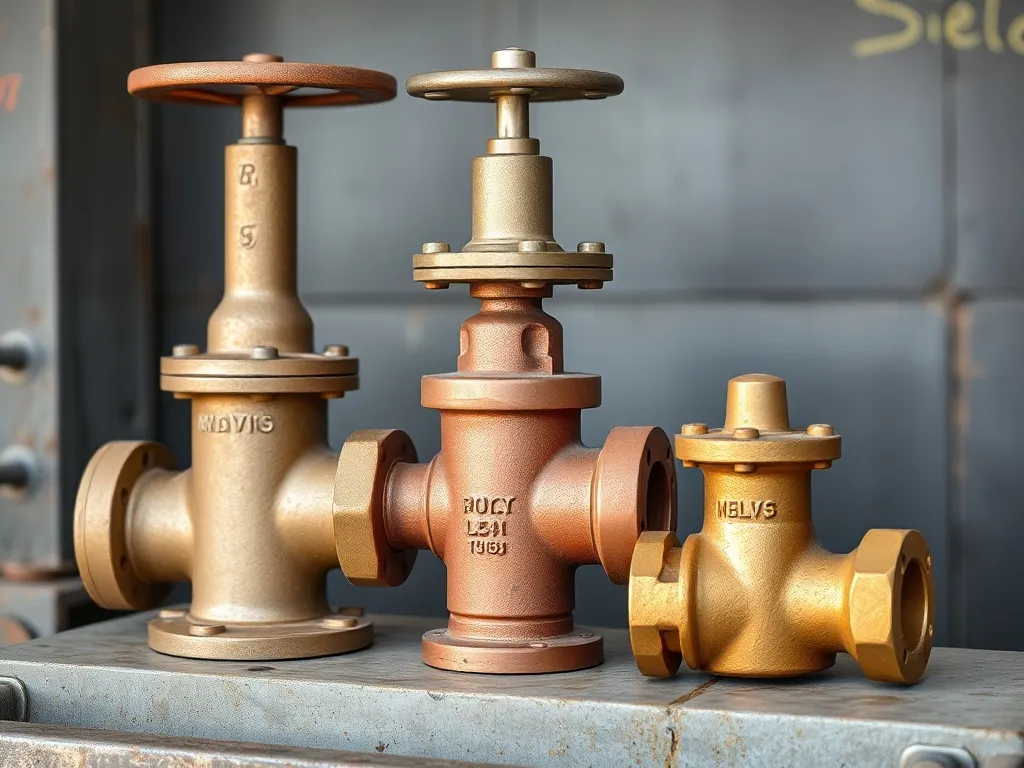
Iron and Steel Valves
used in water control and flow management
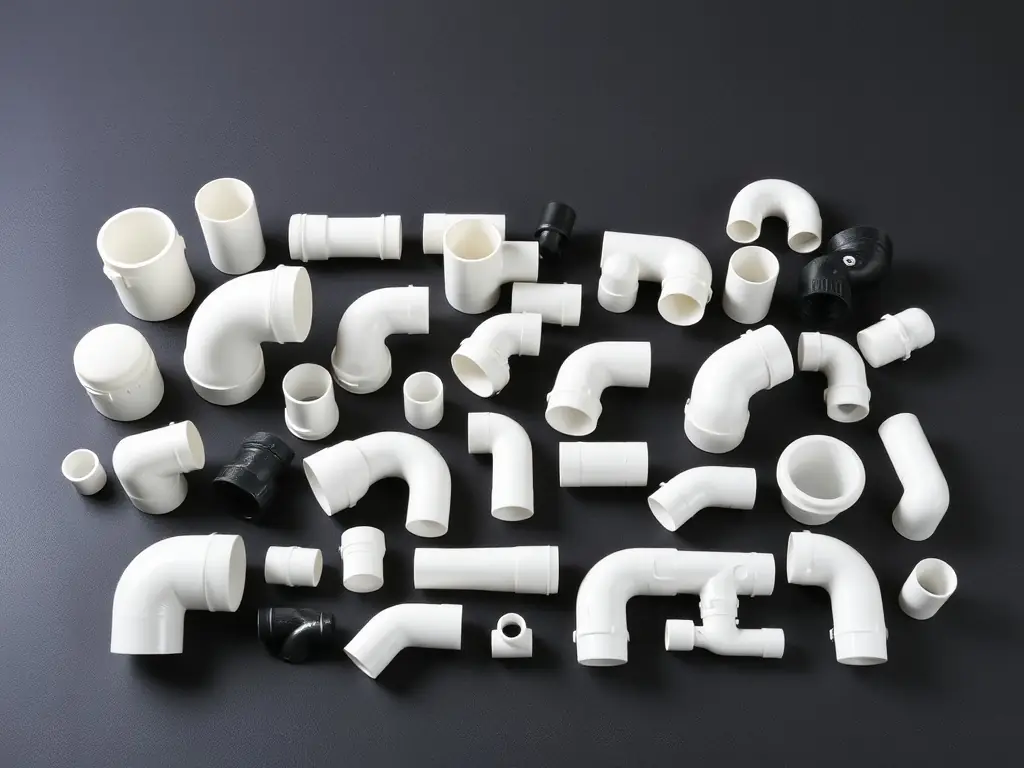
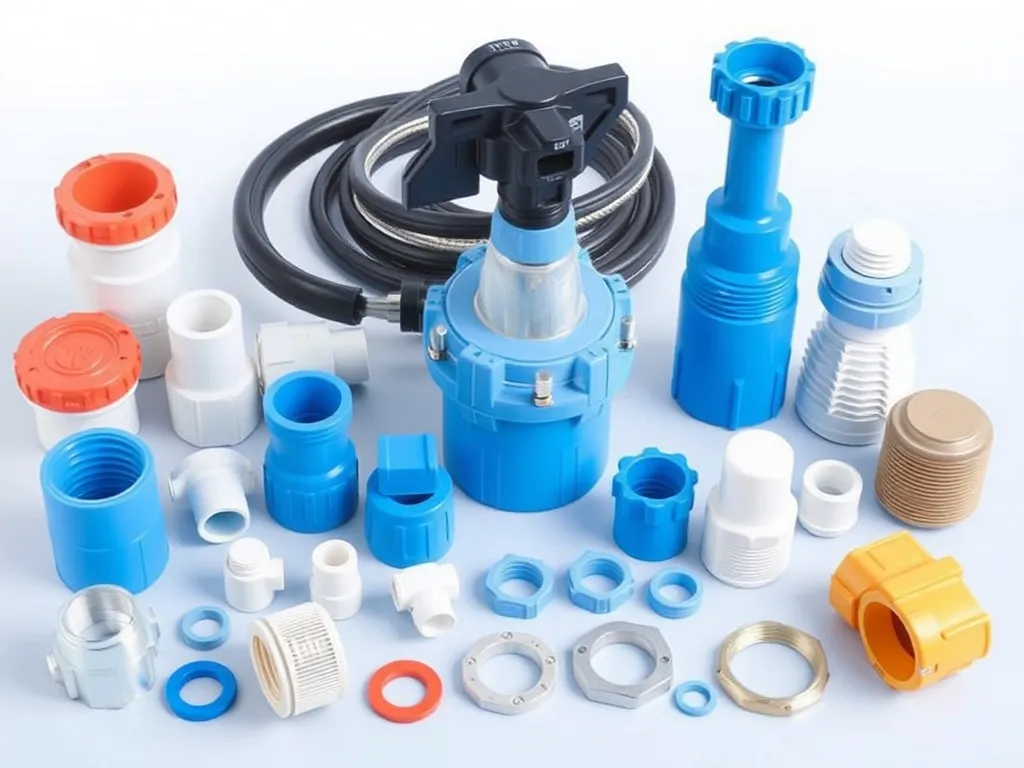
A medium shot of various polyethylene fittings, including electrofusion and injection fittings, laid out on a clean surface, showcasing their precision and quality.
Polyethylene Fittings
We provide a comprehensive selection of electrofusion and injection fittings designed for creating robust and leak-proof water networks. These fittings ensure reliable connections and optimal system performance.
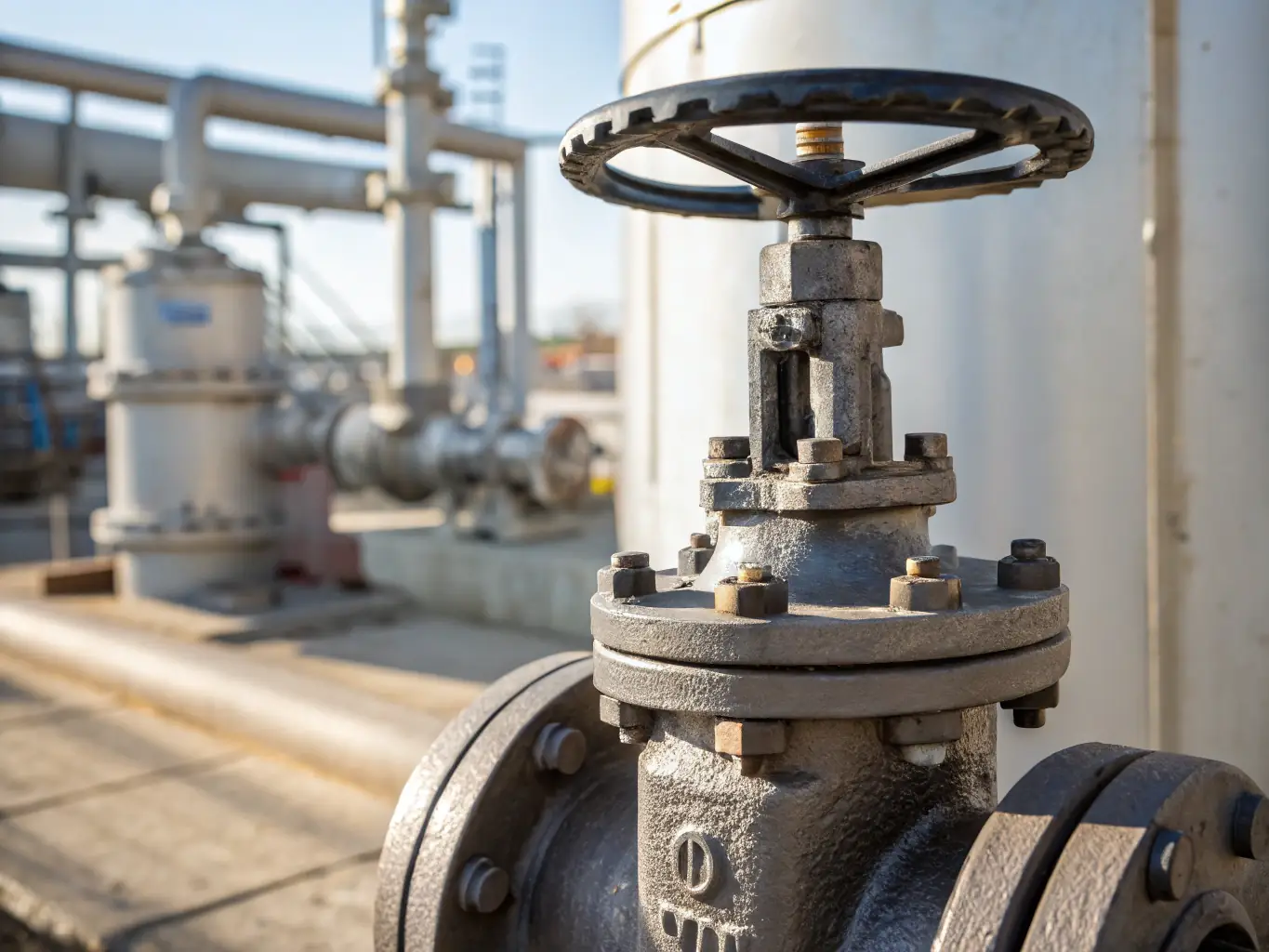
A close-up shot of a blue ductile iron valve, highlighting its sturdy construction and precise engineering, set against a blurred background of a water pipeline installation.
Cast Iron and Steel Fittings
Suitable for water pipelines and distribution networks
Water Connection Kits
complete kits for water service connections

Get Your Water Solutions Today

Request a quote or download our full catalog to explore premium HDPE pipes for water industry applications.