Ductile Iron & Steel Fittings for Agriculture Industry
Table of Contents
Introduction to Ductile Iron & Carbon Steel Fittings in Agriculture
Ductile Iron (DI) and carbon steel fittings are essential components in agricultural water supply and irrigation networks. They serve critical roles in:
Pipeline direction changes
Branching and distribution
Pump station transitions
Flow control preparation points
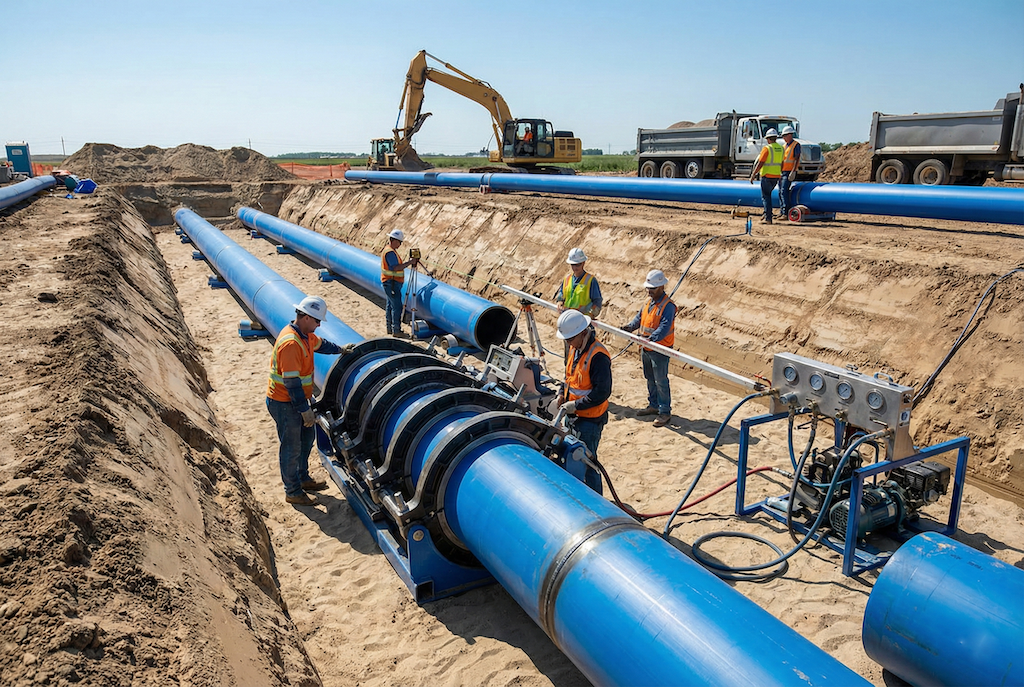
Integration between PE pipes and metallic components
Agricultural water systems require fittings that can withstand:
High sediment content
Pump start/stop pressure cycles
Fertilizer and acidic flushing
Tractor loads and surface stresses
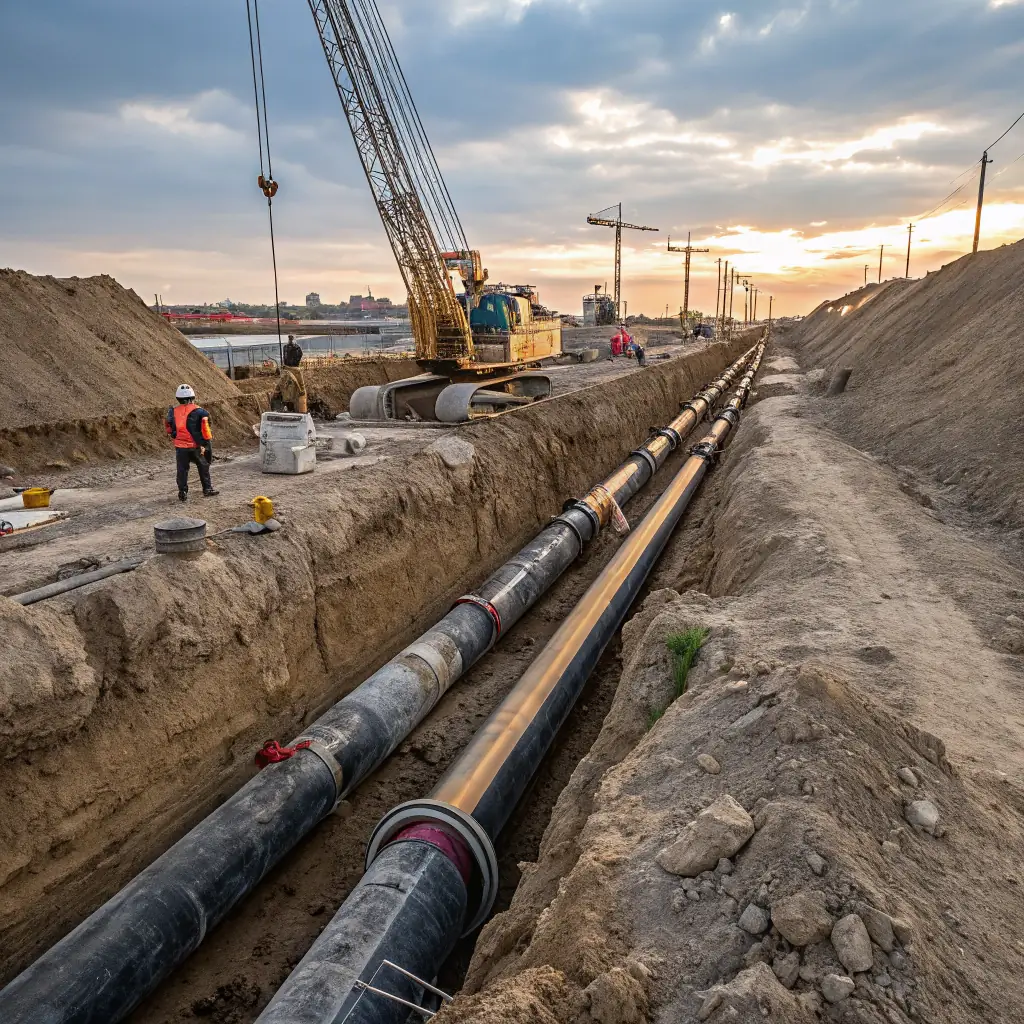
Long burial lengths
Temperature variations (day–night)
DI fittings offer high structural integrity, while steel fittings provide superior mechanical strength for high-pressure agricultural zones.
Classification of Ductile Iron & Steel Fittings
Material Composition & Metallurgical Properties
Ductile Iron (EN-GJS-500-7 or GGG50)
Properties:
High tensile strength (≥500 MPa)
Elongation ≥7%
Spherical graphite microstructure
Excellent fatigue resistance
Carbon Steel (A105 / A216 WCB)
Used for:
High pressure booster systems
Steel manifolds
Pump discharge pipelines
Properties:
Tensile strength 485–620 MPa
High hardness
Excellent weldability (in steel systems)
Stainless Steel Internal Components
Used for high-corrosion agricultural zones.
Rubber Sealing Materials
EPDM per EN 681-1
Resistant to fertilizers & wastewater
Applications in Agriculture Industry
International Standards for Agricultural Fittings
ISO 2531
Covers:
DI pipes & fittings
Dimensional tolerances
Hydrostatic pressure tests
Coating requirements
EN 545 (Europe)
Defines:
Performance requirements
Internal/external coatings
Flange specifications
Mechanical properties
AWWA C110 / C153
Used for:
DI bends, tees, reducers
Higher thickness for pump-intensive agricultural systems
EN 1092-2
Flange dimensions for CI/DI fittings.
ASME B16.5
Flanges for steel fittings.
ISIRI Standards
Iranian standards for:
DI fittings
Protective coatings
Mechanical properties
Manufacturing Processes
Ductile Iron Fittings
Centrifugal casting
Sand casting
Heat treatment for ductility
Machining and flange drilling
Steel Fittings
Hot forming
Forging
Welding
Heat treatment (normalizing, quenching)
Manufacturing follows ISO 2531, EN 545, AWWA specifications.
Material Composition & Polymer Engineering
Geomembranes are engineered from:
HDPE / LLDPE / VLDPE base resin
Carbon black (2–2.5%) for UV protection
Antioxidants
Heat stabilizers
Processing aids
Material Properties
Property HDPE LLDPE Tensile Strength Very High Medium Flexibility Low High Puncture Resistance High Medium Chemical Resistance Excellent Very Good UV Stability Excellent Good Agricultural use requires enhanced:
tear resistance
stress crack resistance
puncture resistance (rough soil)
Pressure Ratings & Dimensions
Pressure Ratings
PN10 → General irrigation
PN16 → Booster pump discharge
PN25 → Steel manifolds
Dimensions
DN80–DN600 typically used in farms
Large farms may use DN900 steel headers
Jointing Systems & PE Pipeline Compatibility
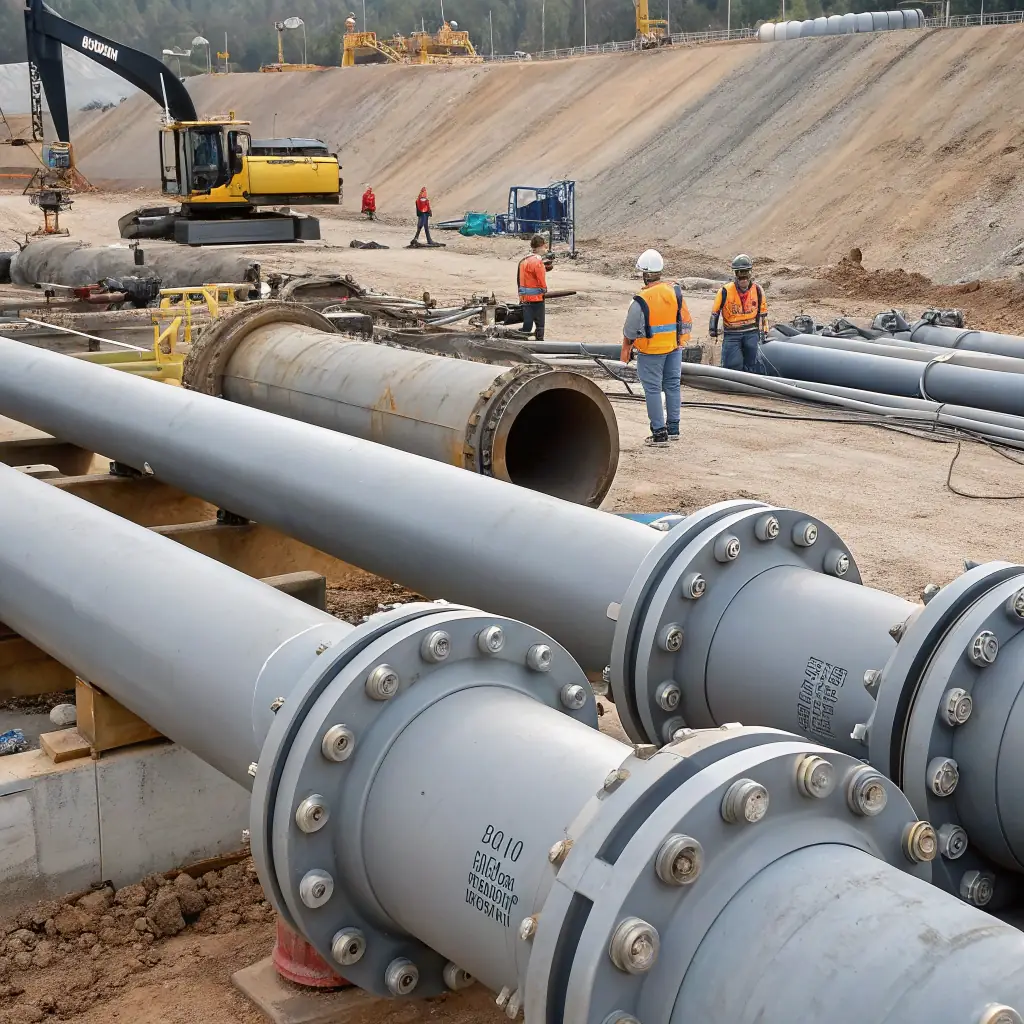
Flanged Connections
Common in greenhouses, pump rooms
Mechanical Couplings
Universal couplings for DI–PE transitions
Must comply with EN 14525
Restrained Joints
Used where tractors or soil movement may create axial force.
PE Transition Fittings
Brass or steel PE adapters
Necessary in PE100 pipelines with DI valves or pumps
Mechanical, Structural & Hydraulic Performance
Mechanical Strength
Excellent load-bearing capacity
Suitable for buried conditions
High torque resistance in pump rooms
Hydraulic Considerations
Streamlined internal geometries minimize head loss
DI bends maintain hydraulic efficiency under high flow
Pressure Surge Resistance
Critical in agricultural pump systems.
Fatigue Resistance
DI fittings tolerate repeated pressure cycles.
Corrosion Protection & Coatings
Internal Coatings
Epoxy resin lining (FBE)
Cement mortar lining for high-sediment water
External Coatings
Zinc-aluminum metallization
Epoxy resin
Bitumen paint (older systems)
Agricultural Considerations
Soil moisture variation
High organic content → microbial corrosion
Fertilizer-induced chemical exposure
Installation Guidelines (Agriculture)
Site Preparation
Remove all stones/sharp objects
Use geotextile underlayer (300–600 g/m²)
Panel Deployment
Install at cooler times of day
Avoid overstretching
Anchor Trench
Depth: 40–60 cm
Width: 30–40 cm
Seaming
Performed by certified technicians.
Failure Modes & Maintenance
Common Failures
Corrosion of bolts
Gasket deterioration
Coating breakdown
Fatigue near pumps
Maintenance
Annual tightening of flanges
Periodic visual inspection
Coating repair if damaged
Flushing sediment-heavy water
FAQs
DI bends, tees, and PE-transition couplings.
Yes—use EPDM seals and epoxy coatings.
Steel is preferred for high-pressure zones; DI for buried networks.
Fusion-bonded epoxy (FBE) due to high chemical resistance.
Related Water Products
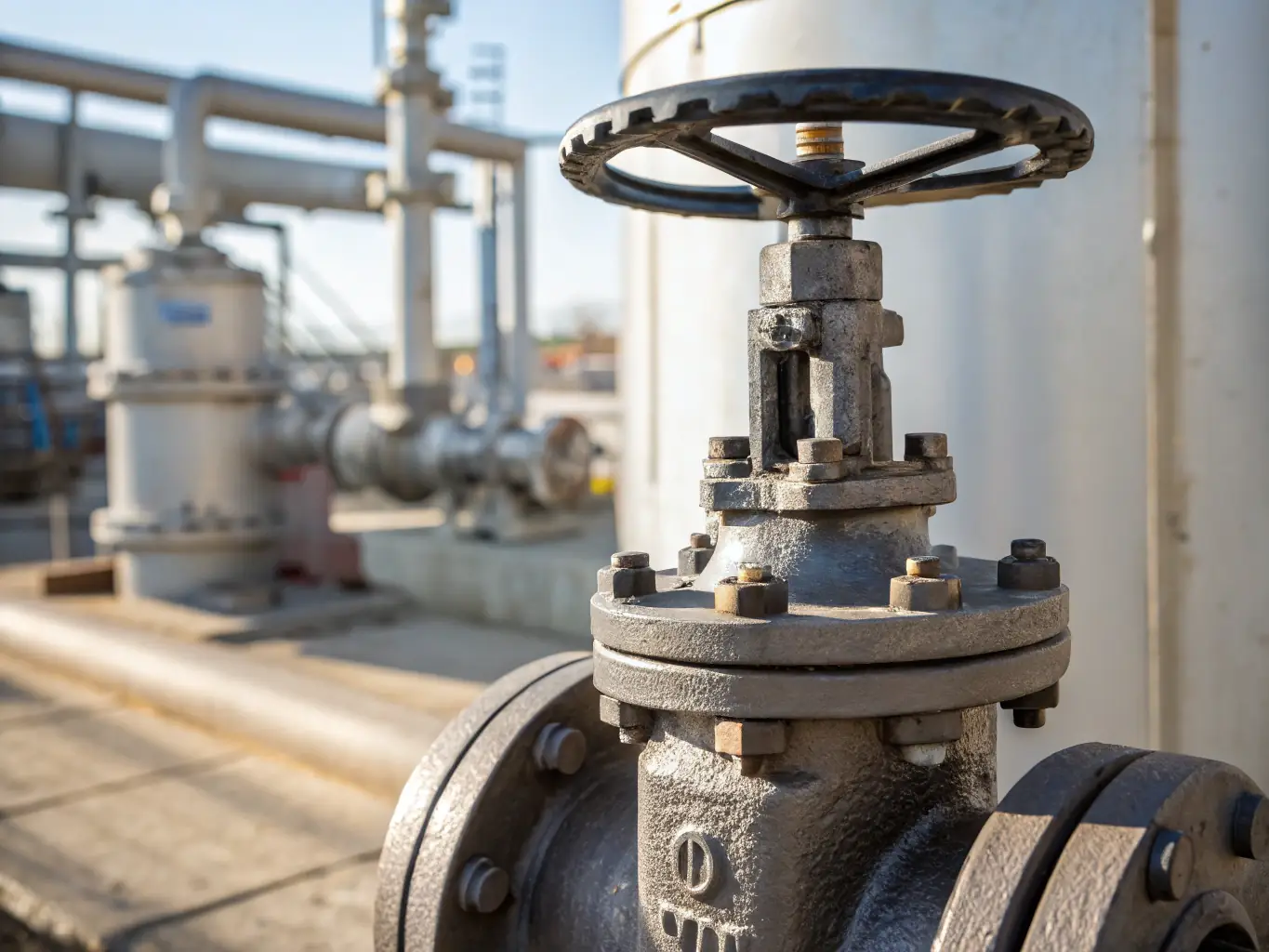
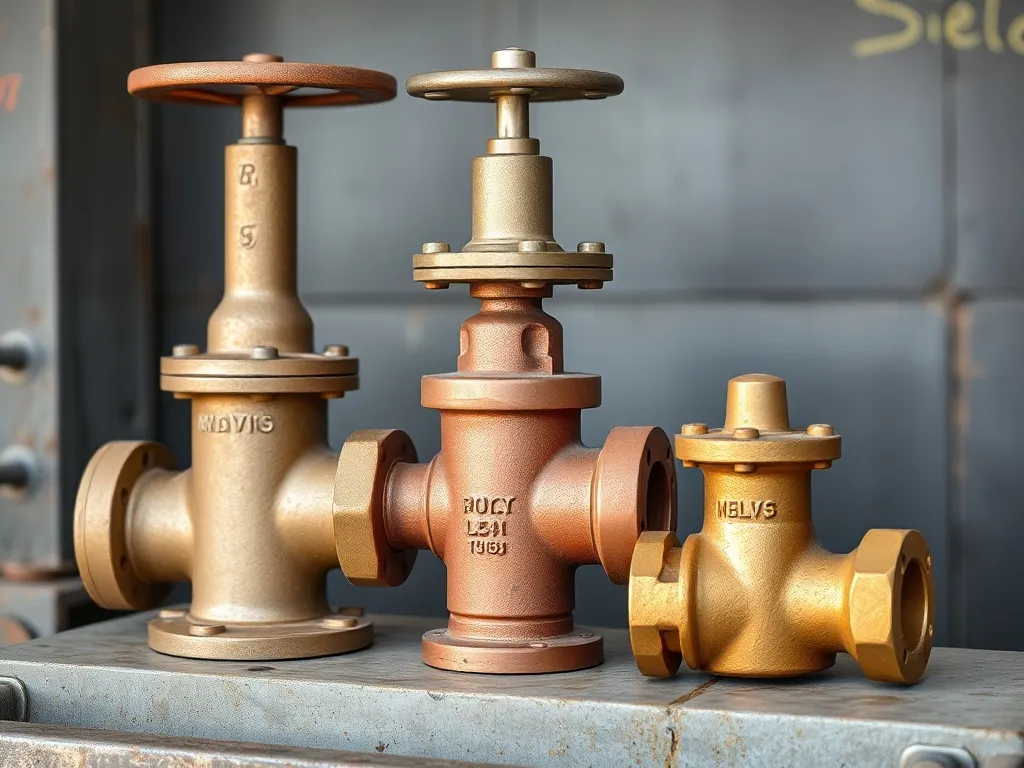
Iron and Steel Valves
Polyethylene Fittings
Cast Iron and Steel Fittings