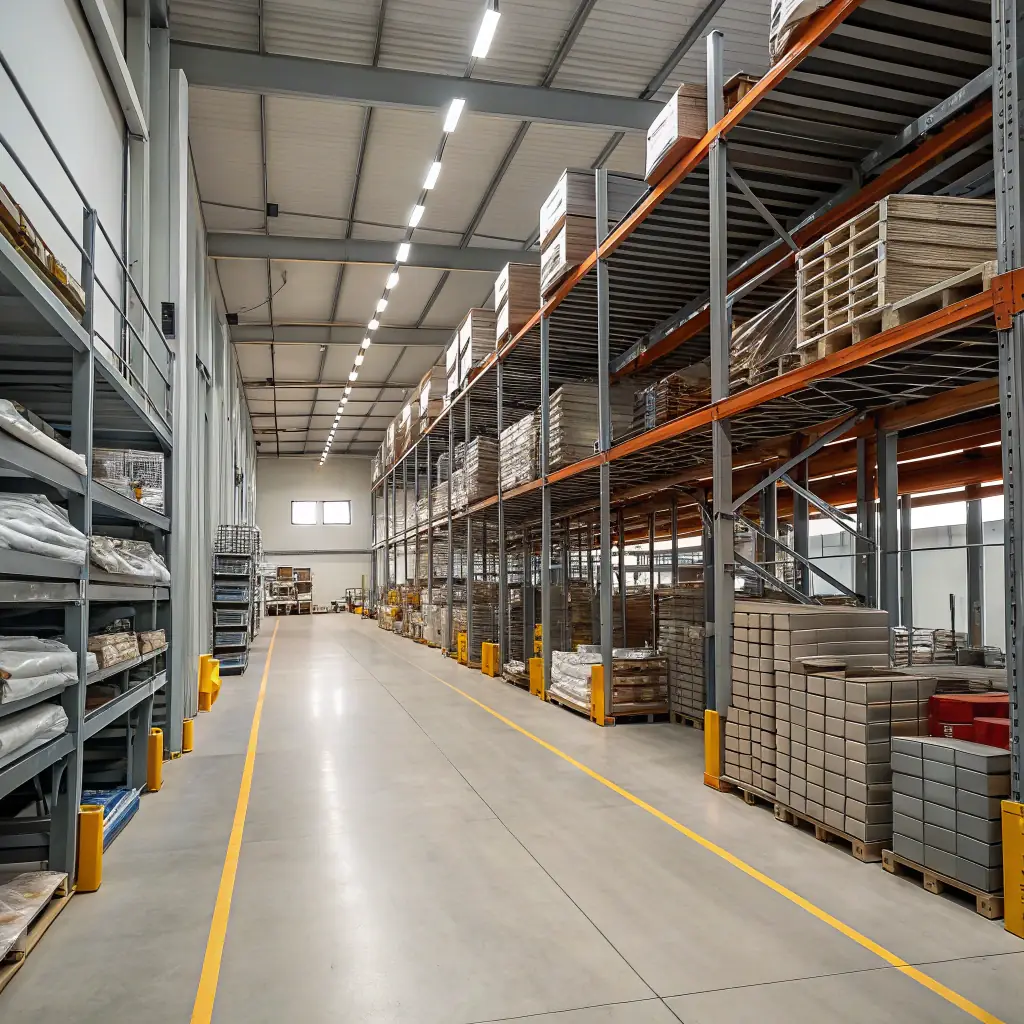

Ensuring Longevity: Proper Handling of Valves and Fittings
At Azaraksh Novin Mehregan Javid, we understand that the longevity and performance of your pipeline systems depend on the careful handling of valves and fittings. This guide provides essential insights into best practices for cast iron and steel components.
- Material Matters: Understanding the properties of cast iron and steel.
- Preventing Damage: Techniques to avoid cracks and deformation.
- Quality Assurance: Ensuring each component meets our high standards.
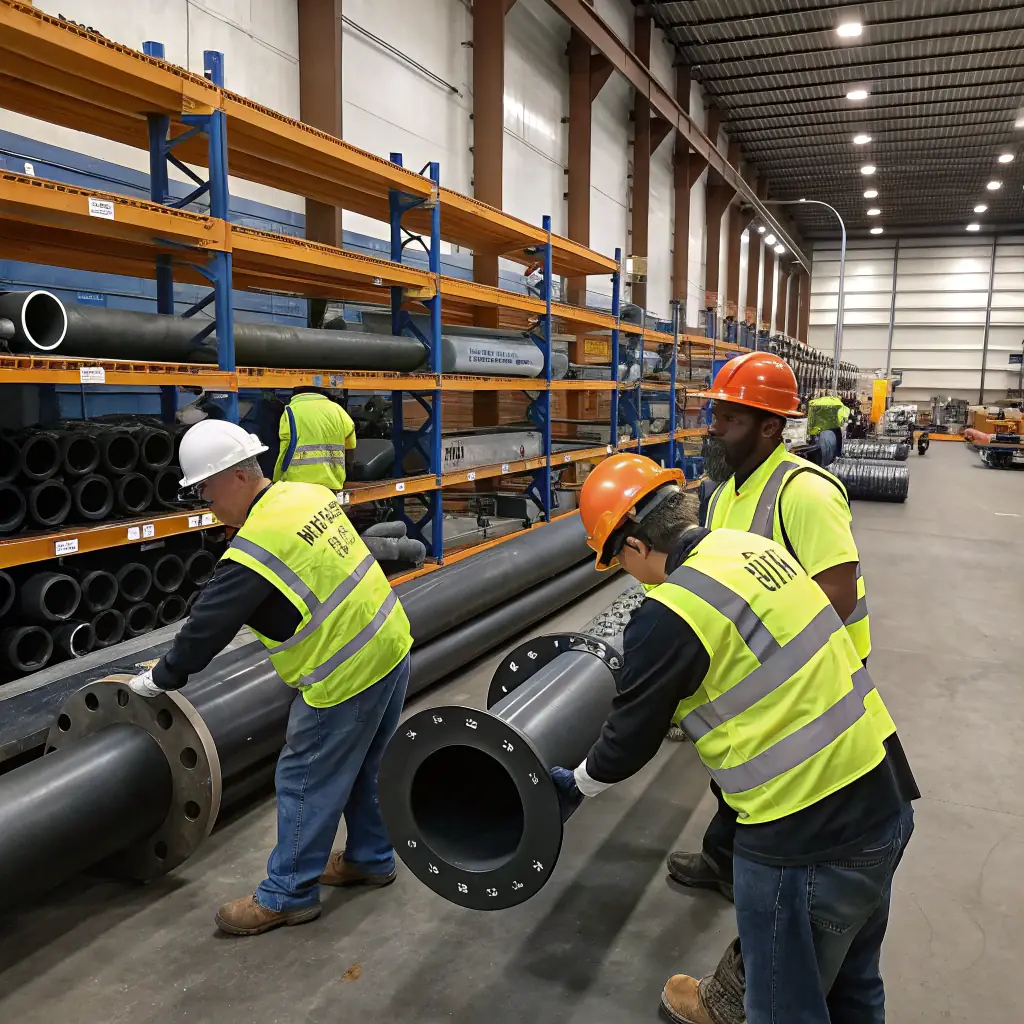
Prioritizing Safety: Loading and Lifting Best Practices for Valves & Fittings
At Azarakhsh Novin Mehregan Javid, we emphasize the importance of safe loading and lifting to prevent damage and ensure worker safety. Using proper equipment and techniques is crucial when handling our cast iron and steel valves and fittings. Always inspect before lifting!
Of our team members are trained annually in safe lifting and loading procedures, ensuring a secure working environment.
0
%
Incidents reported due to following our safe loading guidelines, demonstrating our commitment to safety.
0
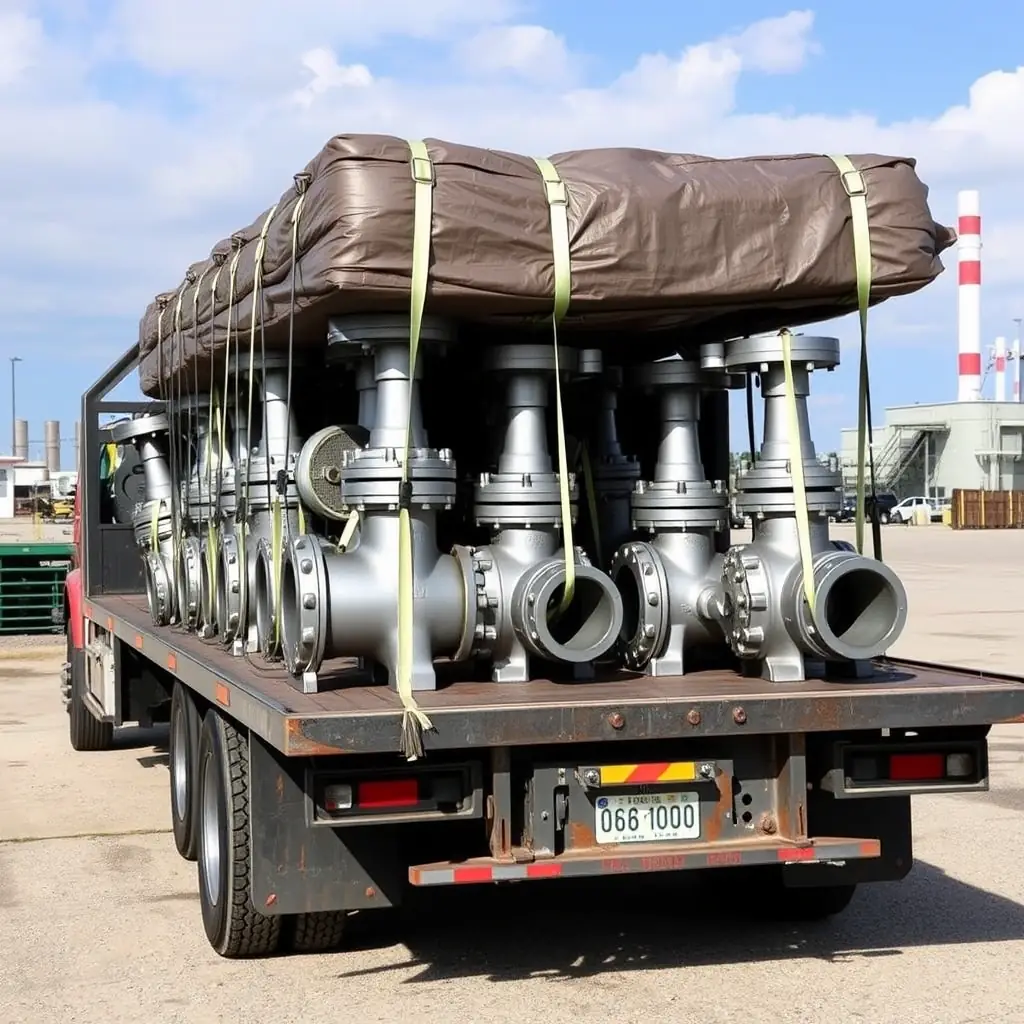
Transportation Guidelines for Valves and Fittings
To ensure the longevity and performance of your valves and fittings, follow these guidelines during transportation. Proper handling minimizes the risk of damage and ensures they arrive in optimal condition for installation.
Reduction in damage when following our transportation guidelines, ensuring cost savings and project efficiency.
0
%
Of our clients report satisfaction with the condition of valves and fittings upon arrival, thanks to our guidelines.
0
%
Our Standards
Protective Packaging Solutions
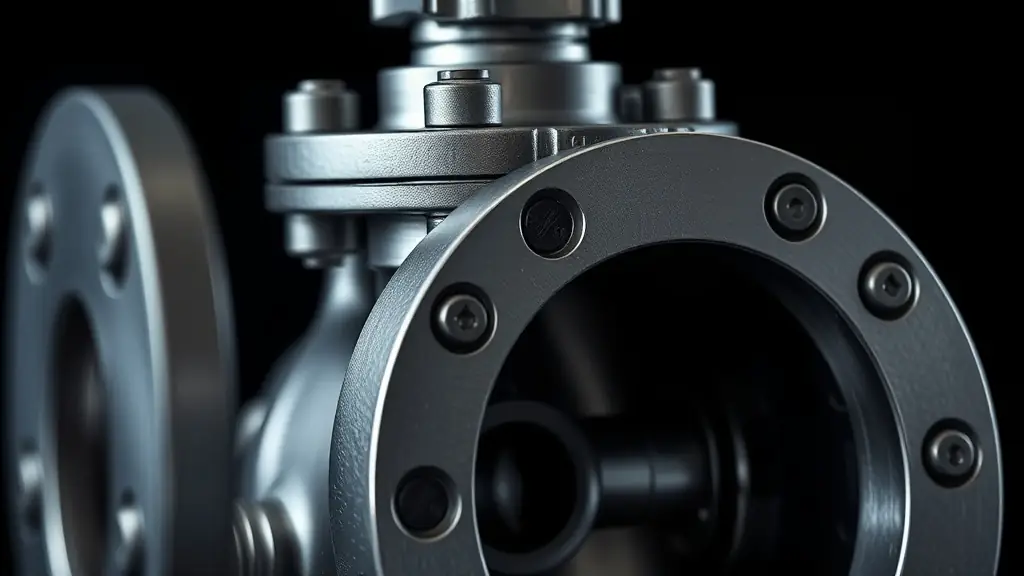
- 📦We adhere to stringent packaging standards to ensure your valves and fittings arrive in perfect condition.
- 🛡️Materials like custom-fit foam, reinforced crates, and rust inhibitors protect against damage and corrosion during transportation and storage.
- ✅Our packaging meets or exceeds international standards, providing peace of mind.
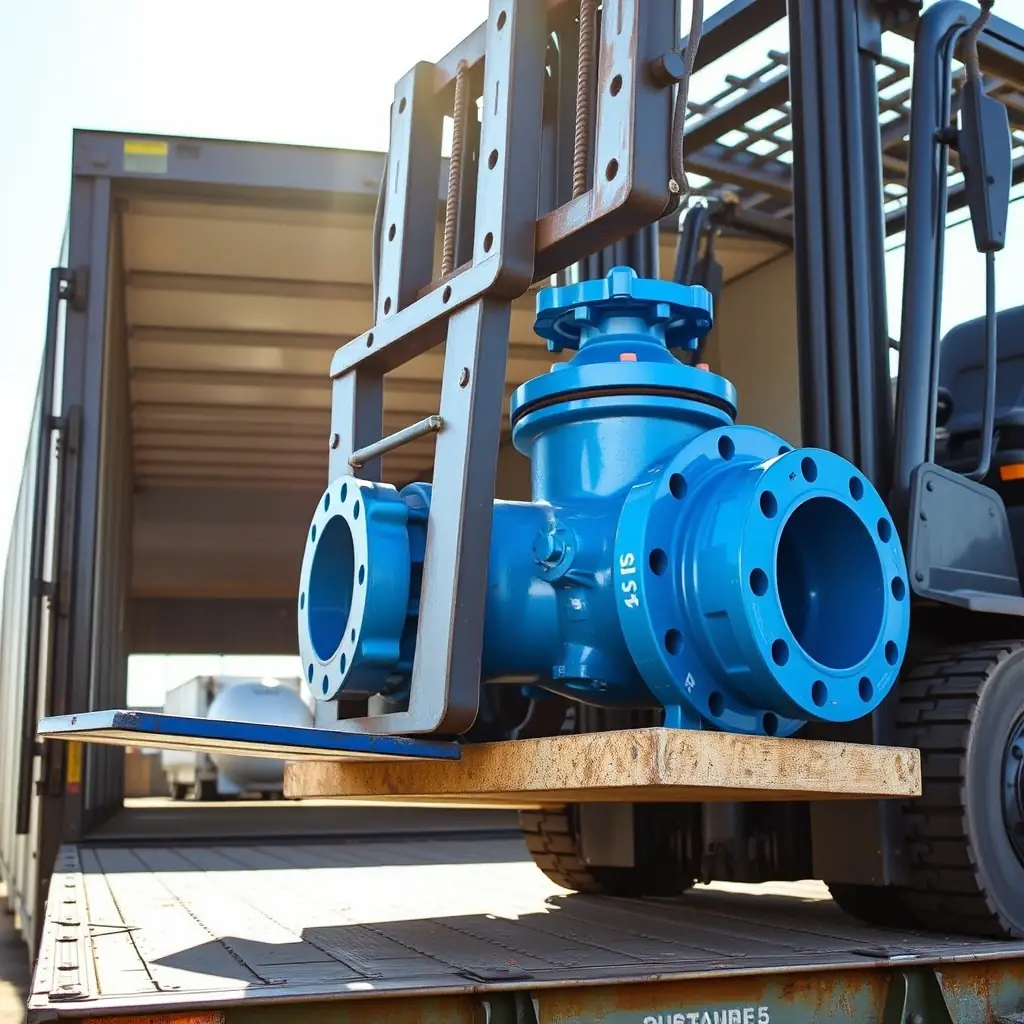
Handle with Care: Unloading Valves and Fittings Safely
Proper unloading is crucial to prevent damage to valves and fittings. Always use appropriate lifting equipment and follow safety guidelines to avoid impacts and ensure the integrity of the materials. Inspect items for damage upon arrival.
- Inspect: Check for damage during transit.
- Equipment: Use forklifts or cranes with proper padding.
- Placement: Gently set down items to avoid shocks.
Maintain Optimal Conditions for Valve and Fitting Longevity
To prevent corrosion and deformation, store valves and fittings in a dry, well-ventilated area. Control humidity and temperature to ensure the integrity of materials and extend their service life. Proper storage is key to preserving quality.
Recommended humidity level to prevent corrosion and maintain material integrity.
20
%
Ideal temperature range for storing valves and fittings, preventing material degradation.
5
°C