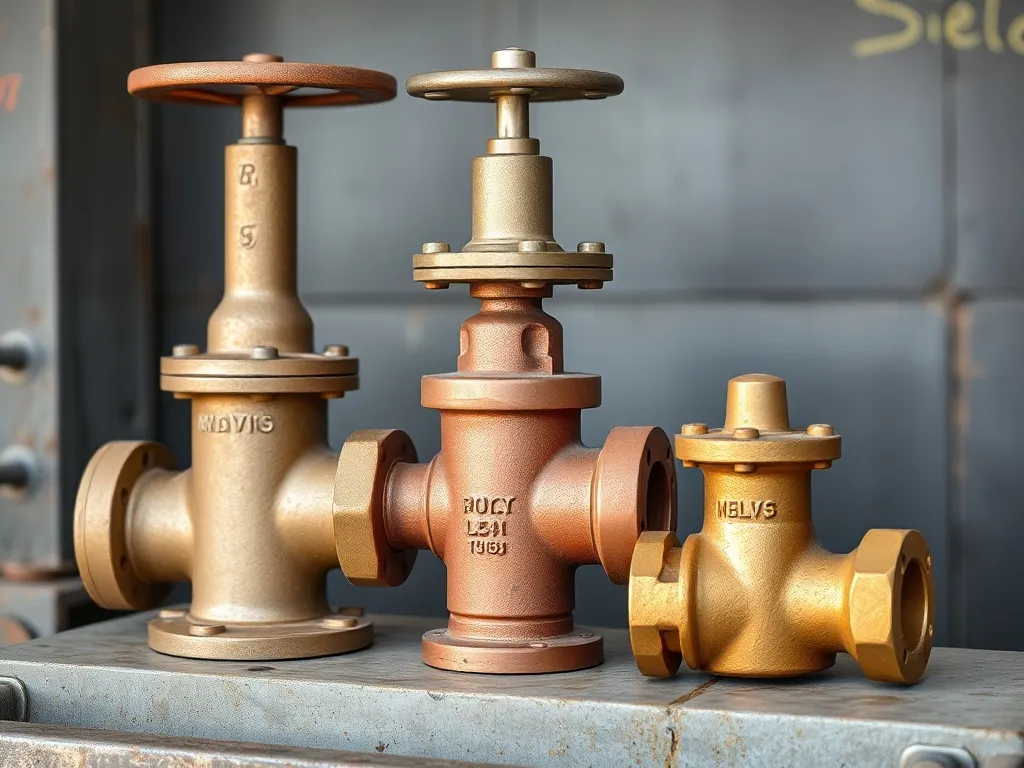
Cast Iron & Steel Fittings for Water Industry Applications
Table of Contents
Introduction
Cast iron and steel fittings are essential components in potable water transmission and distribution systems. They provide strong, corrosion-protected, pressure-rated connections between pipelines and valves, ensuring long-term durability, hydraulic stability, and mechanical integrity.
In water networks, these fittings are used for:
- Direction changes
- Branching and reductions
- Flanged transitions
- Pump station connections
- Valve assemblies
- Repairs and extensions
This technical page provides a full overview of cast iron and steel fittings used in the water industry.
What Are Cast Iron & Steel Fittings?
Cast iron and steel fittings are pressure-rated components used to connect pipelines and equipment. They are manufactured from:
• Ductile Iron (GJS / GGG Grades)
- High toughness
- Crack resistant
- Ideal for buried water pipelines
• Cast Carbon Steel (e.g., WCB, GS-C25)
- Higher pressure capacity
- Used in industrial water and high-pressure systems
Coatings & Corrosion Protection
- Fusion-bonded epoxy (FBE)
- Powder epoxy coating
- Liquid epoxy for internal linings
- Zinc-rich primers + polyurethane topcoat
These coatings ensure long-term performance in buried water systems.
Types of Cast Iron & Steel Fittings Used in Water Systems
Applications in the Water Industry
Relevant Standards (Water Fittings)
ISO 2531 – Ductile Iron Pipes, Fittings & Accessories
Defines:
- Materials
- Dimensions
- Coatings and linings
- Mechanical properties
- Hydrostatic pressure requirements
- Joint types (flanged, socket)
EN 545 – Ductile Iron Fittings for Water Pipelines
Specifies:
- Internal and external epoxy coating
- Nominal pressure classes (PN10, PN16, PN25)
- Flanged and socket joint dimensions
- Testing requirements (pressure tests, coating tests)
Marking and traceability
EN 1092-2 – Iron Flanges
Covers:
- Flange dimensions
- Bolt circle diameters
- Pressure classes (PN10–PN40)
- Dimensional tolerances
- Flange dimensions
AWWA C110 / C153 – Ductile Iron Fittings
American standards covering:
- Wall thickness
- Flanged and mechanical joint fittings
- Hydrostatic performance
- Coating and lining
Pressure Ratings & Dimensional Classes
Most cast iron fittings for water are manufactured in:
- PN10 – low-pressure distribution
- PN16 – standard potable water networks
- PN25 – high-pressure transmission mains
Steel fittings may be rated:
- PN25–PN40
- Or by ASME Class: 150 / 300 / 600
Material, Coating & Mechanical Properties
Ductile Iron Grades
- GJS400 (GGG40)
- GJS500
Properties:
- High elongation
- High toughness
- Excellent buried performance
Steel Grades
- ASTM A216 WCB
- GS-C25
Coatings
- Internal epoxy 200–300 μm for potable water
- FBE or powder epoxy for external protection
Zinc + epoxy system for harsh soil conditions
Installation Guidelines
For Flanged Fittings
- Use EPDM-certified gaskets
- Tighten bolts in cross pattern
- Ensure alignment to prevent flange stress
For Socket / Spigot Fittings
- Clean and lubricate rubber gasket
- Ensure proper insertion depth
- Allow for angular deflection in buried pipelines
For Steel Welded Fittings
- Follow ISO 9606 welding qualification
- Perform NDT as required (RT/UT/VT)
General Installation Principles
- Coatings must not be damaged during handling
- Fittings should be supported to avoid pipe loading
- Pressure testing after installation is mandatory
FAQs
When high pressure, mechanical loads, or flanged valve connections are required.
Yes—when internal epoxy coating meets potable water certification such as WRAS, DVGW, or equivalent.
Typically PN16 or PN25 for ductile iron fittings. Steel fittings may reach PN40 or ASME Class 300 or higher.
Yes, ductile iron fittings with proper epoxy coating are ideal for buried applications and offer excellent durability.
EPDM rubber is standard for potable water applications.
Get Your Water Solutions Today
Related Water Products
Iron and Steel Valves
Polyethylene Fittings
Cast Iron and Steel Fittings