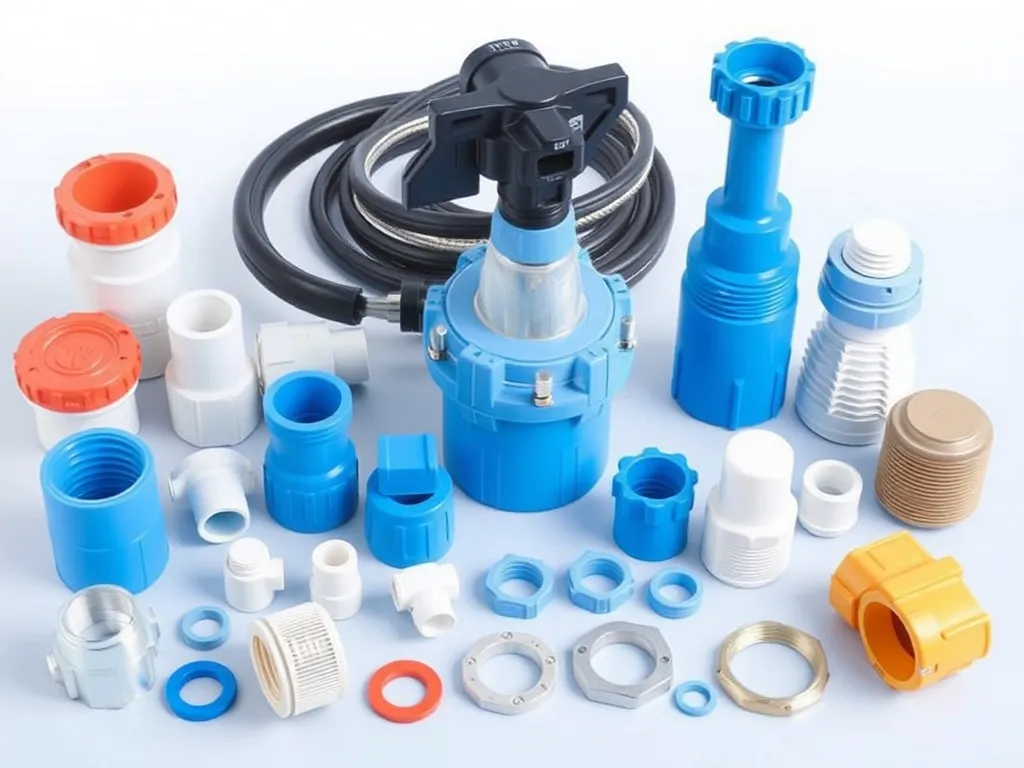
Cast Iron and Steel Valves for Sewage Networks
Table of Contents
Introduction
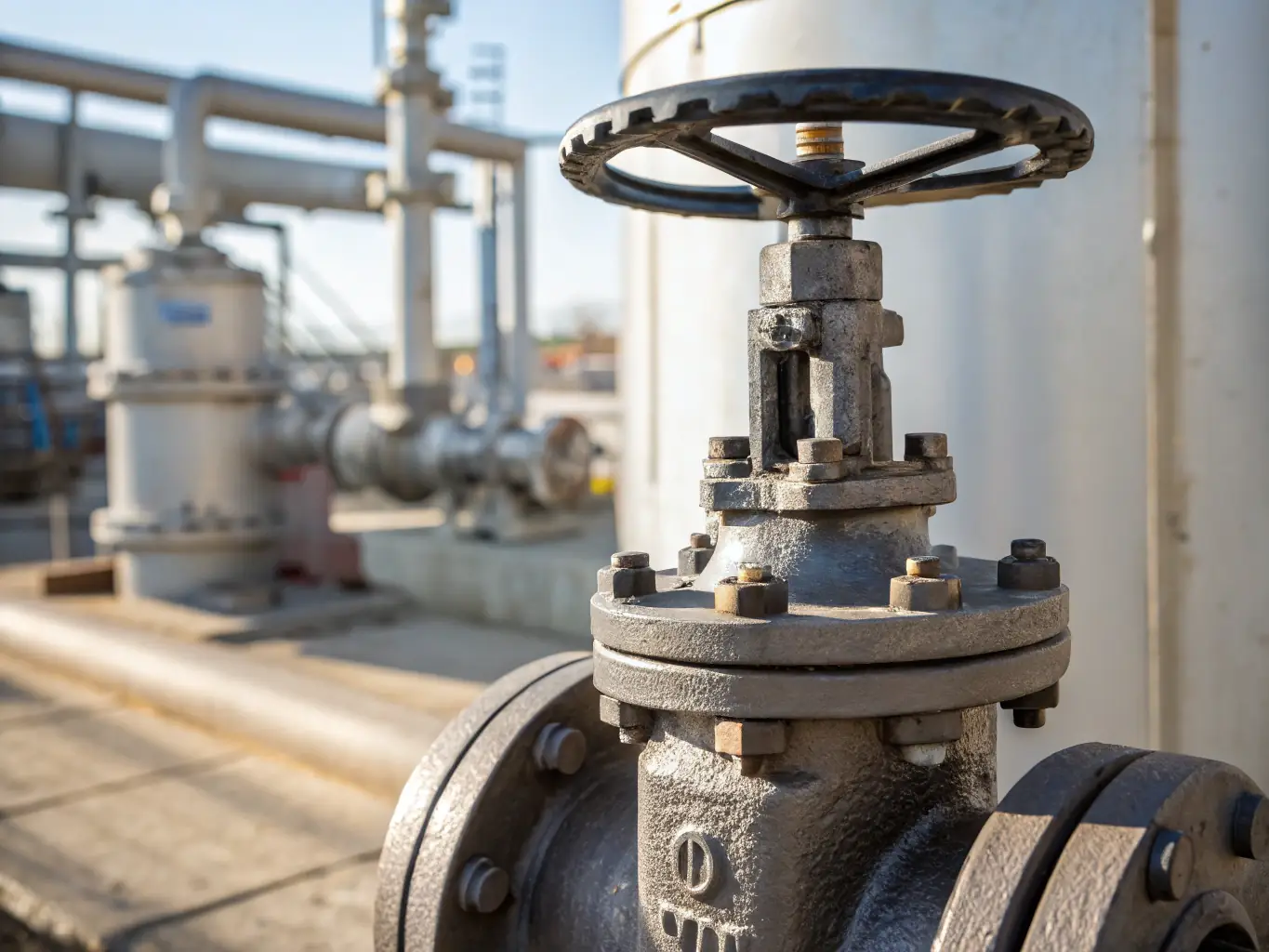
Cast iron and steel valves are critical control and safety components in sewage collection, conveyance, and treatment systems. In sewage networks, valves are exposed to aggressive fluids, suspended solids, variable flow regimes, and in many cases cyclic pressure and transient loads. Their performance directly affects system reliability, environmental protection, and operational continuity.
Due to their high mechanical strength, abrasion resistance, and suitability for harsh operating conditions, cast iron and steel valves are widely specified in gravity sewers, pressurized sewage lines (force mains), pumping stations, and wastewater treatment facilities.
Engineering Role of Valves in Sewage Networks
In sewage systems, valves perform essential functions beyond simple flow control. From an engineering perspective, they are required to:
- Isolate pipeline sections for maintenance and emergency intervention
- Control and regulate flow in pressurized sewage lines
- Prevent reverse flow that can damage pumps and cause system instability
- Protect pipelines and equipment against hydraulic transients
Valves in sewage networks must be capable of operating reliably despite the presence of solids, grit, grease, and corrosive gases, while maintaining tight sealing and mechanical integrity over long service periods.
Types of Cast Iron and Steel Valves Used in Sewage Applications
Comparison of Valve Types for Sewage Service
Parameter | Gate Valve | Knife Gate Valve | Butterfly Valve | Check Valve |
Primary Function | Isolation | Isolation (solids) | Isolation / Regulation | Backflow prevention |
Suitability for Solids | Moderate | Excellent | Moderate | Good |
Head Loss (Open) | Very low | Low | Low | Medium |
Flow Regulation | No | Limited | Yes | No |
Typical Location | Buried networks | Sludge & WWTP lines | Stations & mains | Pump discharge |
Typical Applications in Sewage Networks
Standards and Technical Compliance
EN 1074 – Valves for water supply and wastewater applications
- This is the overarching European standard that specifies the general requirements for all types of valves intended for use in water supply and wastewater systems. It covers design requirements, performance characteristics, and testing methods, ensuring valves are fit for purpose in these demanding environments, which include handling corrosive sewage and wastewater.
EN 593 – Butterfly valves
- Specifically addresses the requirements for metallic butterfly valves. This standard covers design characteristics, dimensions, materials, and performance requirements relevant to the use of butterfly valves in pipeline systems, including their suitability for flow regulation and shut-off in sewage applications.
EN 545 / EN 598 – Ductile iron components for water and sewerage:
- EN 545 sets the requirements for ductile iron pipes, fittings, accessories, and their joints for water pipelines.
- EN 598 is the specific counterpart for sewerage applications. It outlines the requirements for ductile iron pipes, fittings, accessories, and their joints for use in foul, surface, and rainwater applications. The key distinction is the internal and external coating requirements, which are often more robust in EN 598 to handle the aggressive, corrosive, and abrasive nature of sewage. These standards ensure that the pipe material and coatings are suitable for long-term resistance against internal and external degradation.
ISO 5208 – Pressure and leakage testing of valves
- This International Organization for Standardization (ISO) document specifies the requirements for the pressure and leakage testing of valves during manufacture. It dictates the necessary test pressures and acceptance criteria for both the valve body (pressure containment) and the seat (leakage control), which is crucial for maintaining system integrity and preventing environmental contamination in sewage networks.
EN 1092 – Flanges and pressure ratings
- This standard is critical for ensuring that valves can be properly and safely connected to the pipeline system. It specifies the requirements for circular flanges for pipes, valves, fittings, and accessories. It details:
- Dimensions: Defining the bolt hole patterns, flange diameters, and facings.
- Materials: Specifying suitable materials for the flanges.
- Pressure/Temperature Ratings: Establishing the maximum allowable operating pressures (PN ratings) corresponding to specific temperatures, ensuring system compatibility and structural integrity under operational loads. This prevents leaks and failures at connection points.
Materials and Construction
Cast iron and steel valves for sewage applications are manufactured from materials selected to resist mechanical loads, abrasion, and corrosion.
Material Comparison
Material | Typical Use | Key Characteristics |
Ductile Iron | Buried & general sewage | High strength, impact resistance |
Carbon Steel | Stations & exposed lines | Superior mechanical strength |
Stainless Steel (trim) | Internal components | Corrosion and wear resistance |
Internal components such as discs, gates, shafts, and seats are commonly protected by epoxy, rubber linings, or hard coatings to ensure long-term sealing performance in aggressive environments.
Pressure Ratings and Design Life
Cast iron and steel valves are designed to meet the pressure and operational demands of sewage networks.
Parameter | Typical Value |
Pressure Classes | PN6, PN10, PN16, PN25 |
Reference Temperature | 20 °C |
Design Life | ≥ 50 years |
Operating Cycles | According to applicable standards |
Higher pressure classes are typically specified for force mains and pumping station installations.
Installation Principles
- Valves shall be selected according to sewage characteristics, pressure class, and installation location
- Valve bodies shall be adequately supported to prevent external mechanical stress
- Flanged connections shall use gaskets suitable for sewage service
- Knife gate and check valves shall be installed in accordance with flow direction and orientation requirements
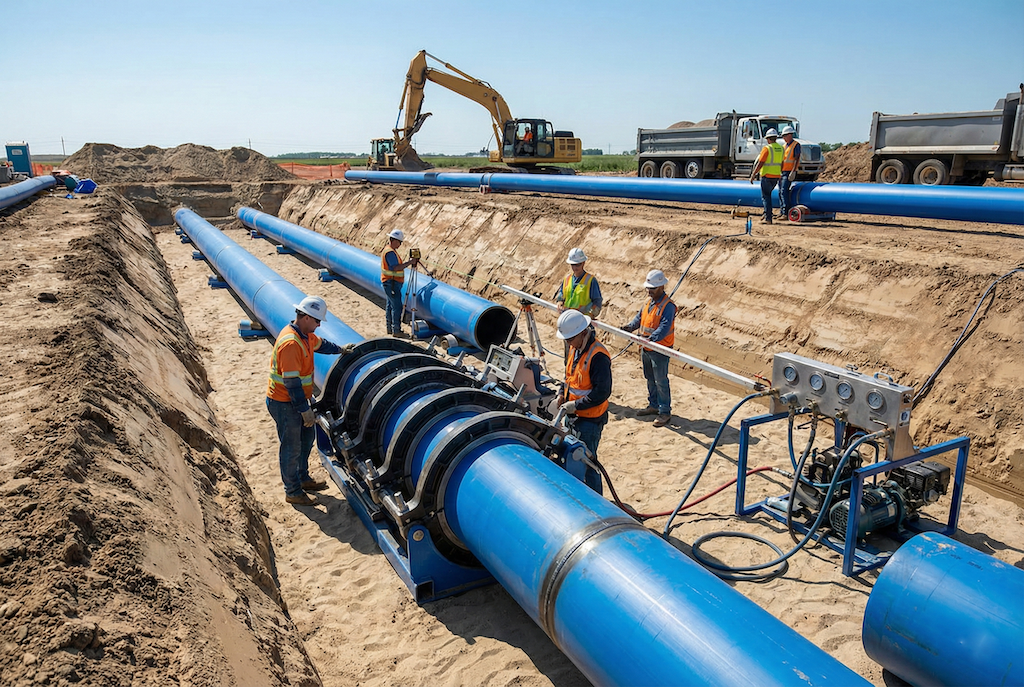
- Systems shall be flushed and functionally tested prior to commissioning
FAQs
Knife gate valves and specially designed check valves are preferred for high-solids and sludge applications due to their ability to handle contaminated media without clogging.
Steel valves are typically specified for pumping stations, exposed installations, and high-pressure force mains where mechanical loads and vibration are significant.
Abrasion resistance is achieved through rubber linings, hard coatings, and optimized internal geometries that reduce direct impact of solids.
Yes, ductile iron valves with appropriate pressure class and corrosion protection are widely used in pressurized sewage applications.
Key considerations include corrosion, abrasion from solids, seat wear, improper installation loads, and fatigue under cyclic pressure conditions.
Get Your Water Solutions Today
Related Water Products
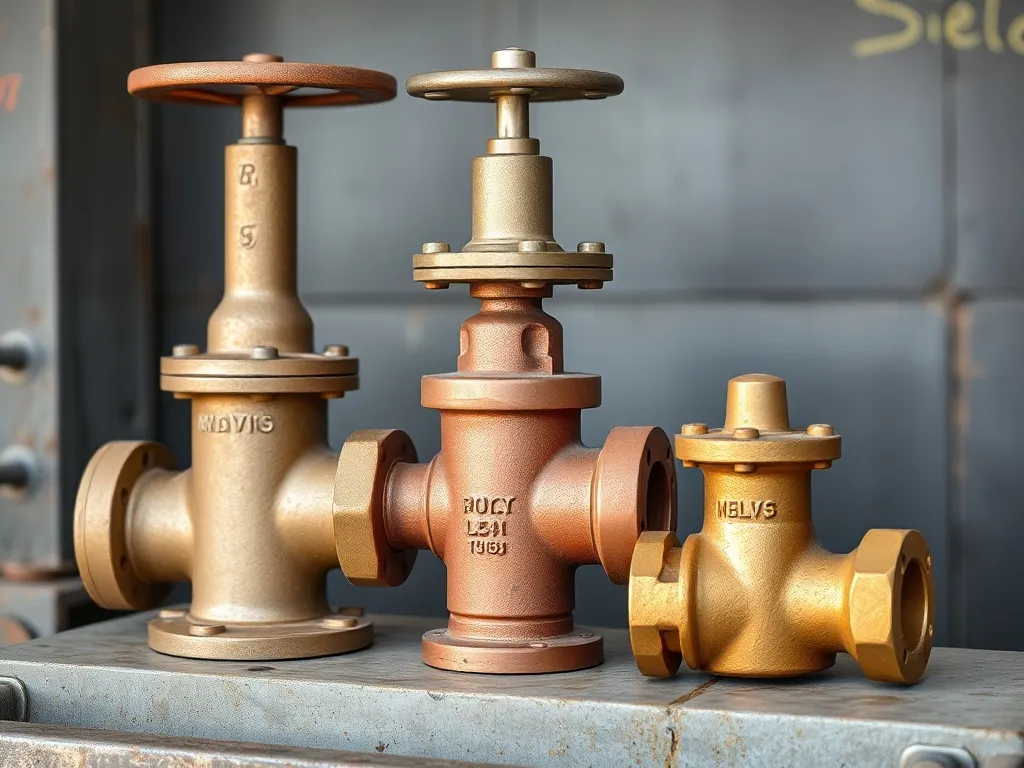
Iron and Steel Valves
Polyethylene Fittings
Cast Iron and Steel Fittings